


Table of Contents
Why Do Individuals with Autism Avoid Eye Contact?
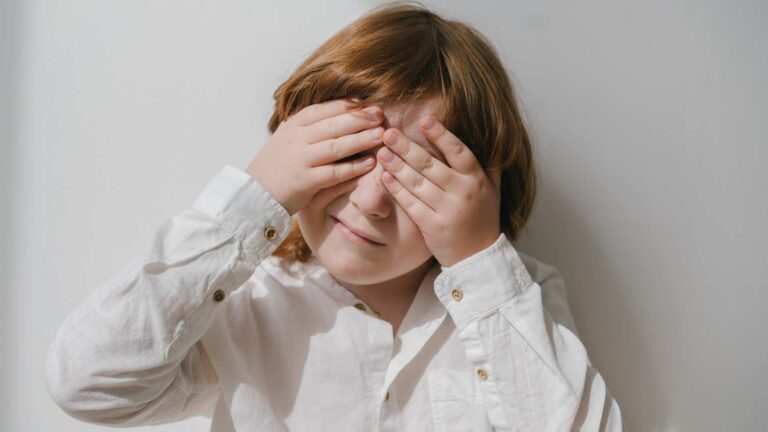
We often hear that every child on the autism spectrum is different, and that’s true in many ways. Still, certain patterns tend to appear more frequently, especially in communication. One of the most noticeable differences is in eye contact.
So, what does it really mean when a child avoids eye contact? Is it part of the sensory issues in autism, or just a personality trait? And should parents be concerned about it?
In this blog by ABA Centers of Florida, we’ll explore autism and eye contact, including why it happens, how it relates to diagnosis, and how it connects to broader communication challenges in autism. You’ll also learn how kids on the spectrum can build meaningful communication skills in ways that feel natural and supportive, not forced.
If you’ve been noticing changes in how your child interacts or communicates, speaking with a specialist can help you better understand what’s typical, what may need support, and what steps you can take next.
Is Eye Contact Part of Autism Diagnosis?
Eye contact alone is not used to diagnose autism. However, it is one of several behaviors professionals may consider during an evaluation.
Differences in eye gaze fall under social communication and interaction, which is a core area in autism diagnosis. This can include:
- Limited or inconsistent eye contact
- Difficulty using eye gaze along with gestures or speech
- Less attention to faces during interaction
What’s important is the overall pattern. A child may avoid eye contact for many reasons, but when it appears alongside other developmental differences, it can be a meaningful piece of the bigger picture.
Why Do Individuals on the Spectrum Avoid Eye Contact?
Understanding autism and eye contact requires looking beyond behavior and into how individuals process the world around them. Avoiding eye contact is often not a choice, but a response of the sensory issues in autism and how individuals experience the information.
Here are some of the most common reasons:
Sensory Issues in Autism
For many on the spectrum, eye contact can feel intense or even overwhelming. This is closely related to sensory issues in autism.
Looking into someone’s eyes may trigger heightened brain activity, making the experience feel uncomfortable rather than neutral. Instead of helping connect, it can feel like too much input at once.
Researchers compared individuals with autism to typically developing individuals during real, face-to-face eye contact and found that people with autism showed different patterns of brain activity, especially in areas linked to attention and social processing.
They also had less synchronized brain activity with the person they were interacting with, suggesting differences in how social connections are processed. Importantly, the less active certain brain regions were, the more difficulties the person showed in social skills.
In simple terms, the study suggests that challenges with eye contact in autism are linked to measurable differences in how the brain responds during real social interactions.
It Makes Communication Harder
Communication involves listening, processing language, and thinking of a response, all at the same time.
For some children:
- Looking away helps them focus
- Eye contact competes with language processing
- Reducing visual input improves understanding
This is directly connected to communication challenges in autism, where managing multiple inputs can be difficult.
For instance, a study by Nature examined how people use eye contact during real, face-to-face conversations and found that it depends heavily on the situation and the person. Participants made less eye contact when speaking (describing something) and more when listening, likely because speaking requires more mental effort.
People with higher autistic traits or those who felt uncomfortable with eye contact tended to look less at others’ eyes, especially while speaking.
Different Social Processing
Not all children rely on eye contact to connect with others.
Some may focus more on:
- Tone of voice
- Words being used
- Shared activities
They may still be engaged and interested, even without direct eye contact. The connection is there; it just looks different.
Emotional Regulation
In some cases, eye contact can increase feelings of stress or pressure during interaction.
Avoiding eye contact can help a child:
- Stay calm during conversations
- Reduce anxiety
- Maintain control in social situations
This is especially common in unfamiliar or demanding environments.
How Autism Affects Communication and Interaction
Autism and eye contact is just one part of larger communication challenges in autism.
Autism can influence how children:
- Use and understand nonverbal communication
- Express emotions and needs
- Engage in back-and-forth interaction
Some children may show connection through actions rather than eye gaze, such as bringing objects, repeating words, or staying close to someone they trust.
When these patterns are understood, it becomes easier to support communication that feels natural rather than forced.
Should You Be Concerned About Eye Contact?
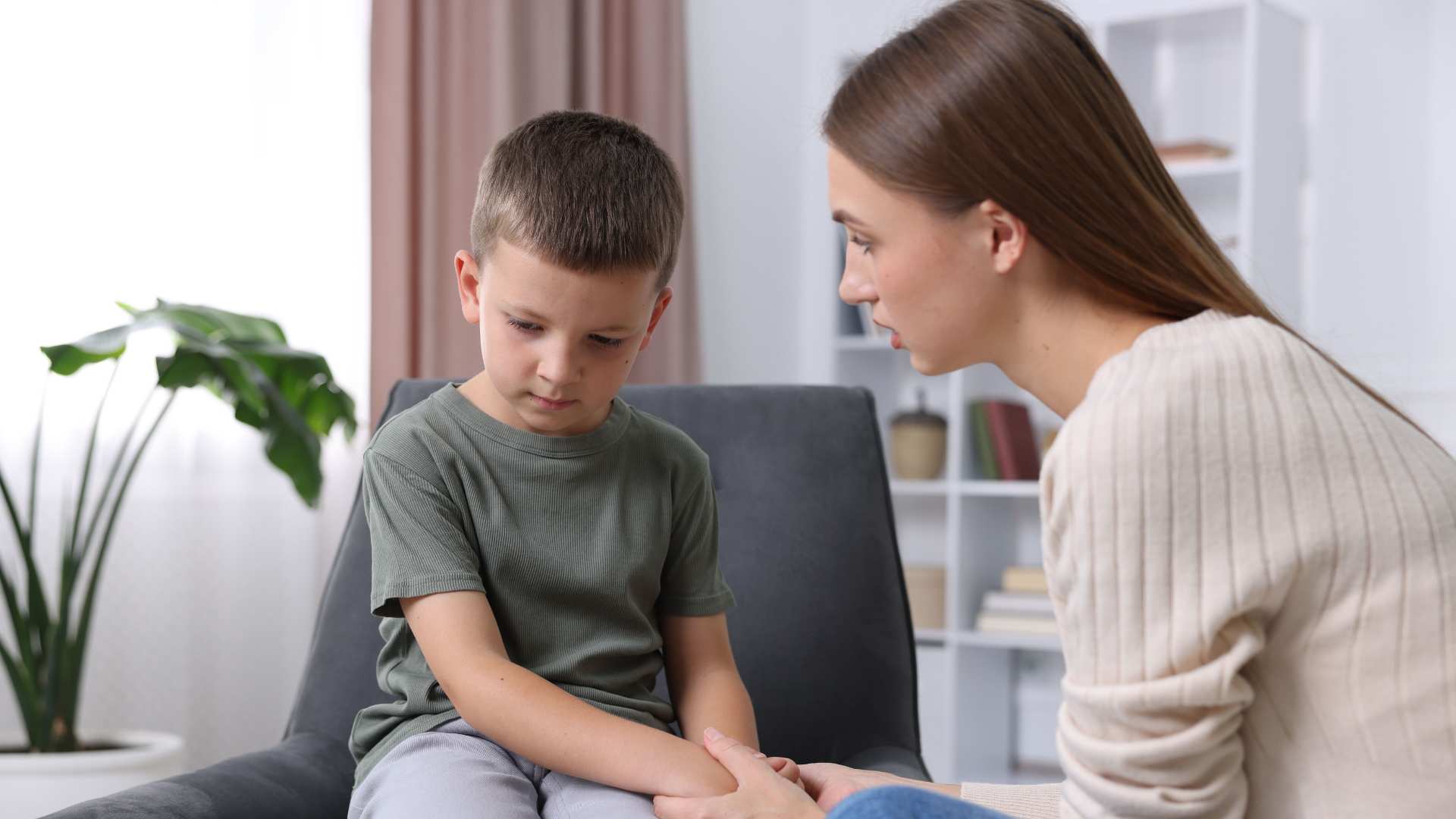
It’s normal to have questions if your child avoids eye contact, especially if you’re noticing other developmental differences or sensory issues in autism present.
What matters most is not whether a child makes eye contact, but whether they are able to:
- Communicate their needs
- Engage with others in meaningful ways
- Respond to interaction over time
If multiple concerns are present, a developmental evaluation can provide clarity and guidance.
How ABA Therapy Supports Communication
ABA therapy can help children improve their communication challenges in autism, and promote interaction skills, but it doesn’t need to focus on making eye contact.
Instead, therapy often focuses on:
- Building functional communication
- Encouraging shared attention
- Supporting natural social interaction
- Developing daily life skills
As communication improves, some children may naturally increase eye contact. Others may not—and that’s completely valid if they are still connecting and engaging effectively.
The goal is progress that respects each child’s learning and interactions.
Understanding Eye Contact in a Different Way
Autism and eye contact is often treated as a social expectation, but it’s not the only way to connect.
What truly matters is whether a child can:
- Express themselves
- Build relationships
- Participate in everyday life
- Feel comfortable during interaction
When those areas are supported, communication can grow, regardless of the amount of eye contact an individual makes.
How ABA Centers of Florida Supports Families
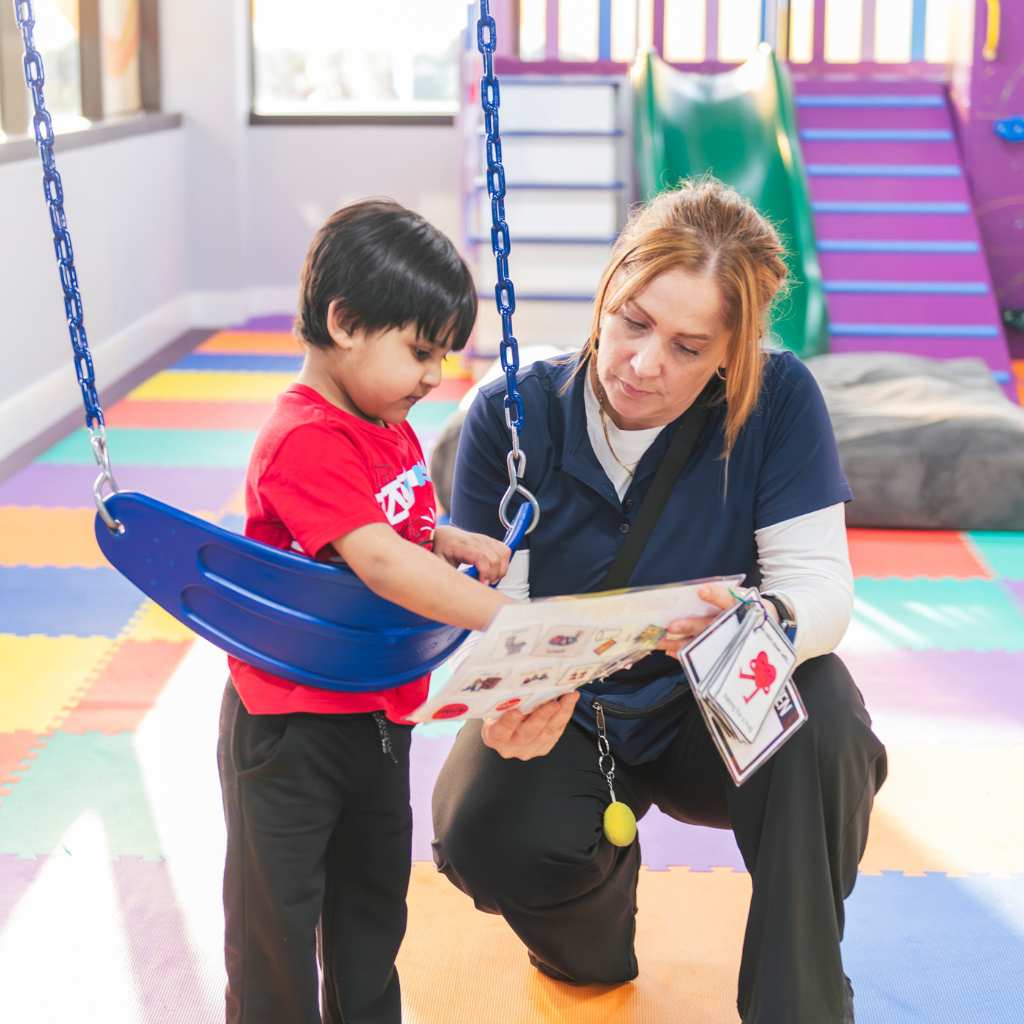
At ABA Centers of Florida, we’re dedicated to helping children and teens on the autism spectrum thrive. We provide early intervention and personalized ABA therapy tailored to each child’s unique strengths and needs, supporting families in Boca Raton, Jensen Beach, Orlando, Tampa, Miramar, Tamarac, and across Florida.
We recognize that communication looks different for every child. Our goal isn’t to change who your child is, but to empower them with skills for confident, independent, and meaningful interaction in daily life.
If you have questions about your child’s communication or want support navigating next steps, our caring team is ready to listen and help. Call us at (772) 773-1975 or connect with us online. We’re here whenever you’re ready.