

Table of Contents
Is it Autism or Just Speech Delay?
If your child isn’t talking as much as expected, it can quickly become a source of concern. Maybe they use only a few words, don’t combine phrases yet, or seem to understand more than they can say.
At some point, many parents ask: Is this just a speech delay or autism?
The short answer is this: a speech delay on its own does not mean autism. However, when language difficulties co-occur with social and behavioral differences, this may point to a broader developmental pattern.
In this blog by ABA Centers of Florida, we’ll break down speech delay vs autism, how they differ, what signs of autism in toddlers to look for, and how to know when it’s time to seek professional guidance.
If you’ve been asking yourself, “Does my child have autism or is it just a speech delay?”, this guide will help you better understand what you’re seeing and what steps to take next.
What Is a Speech Delay?
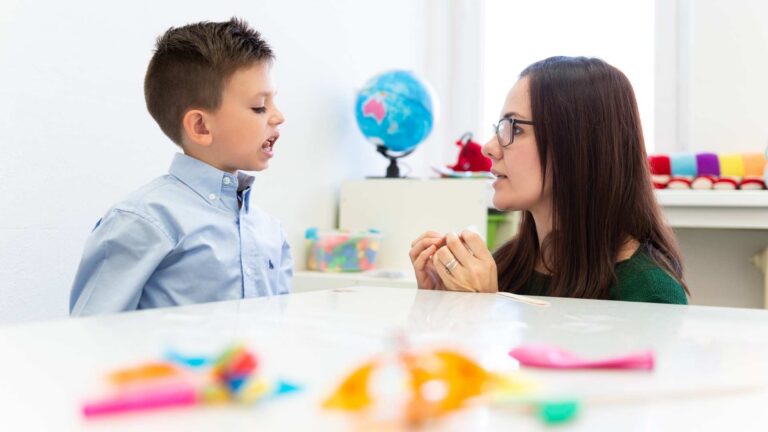
A speech delay happens when a child is not developing spoken language at the expected rate for their age.
This may look like:
- Using fewer words than expected
- Not combining words into short phrases
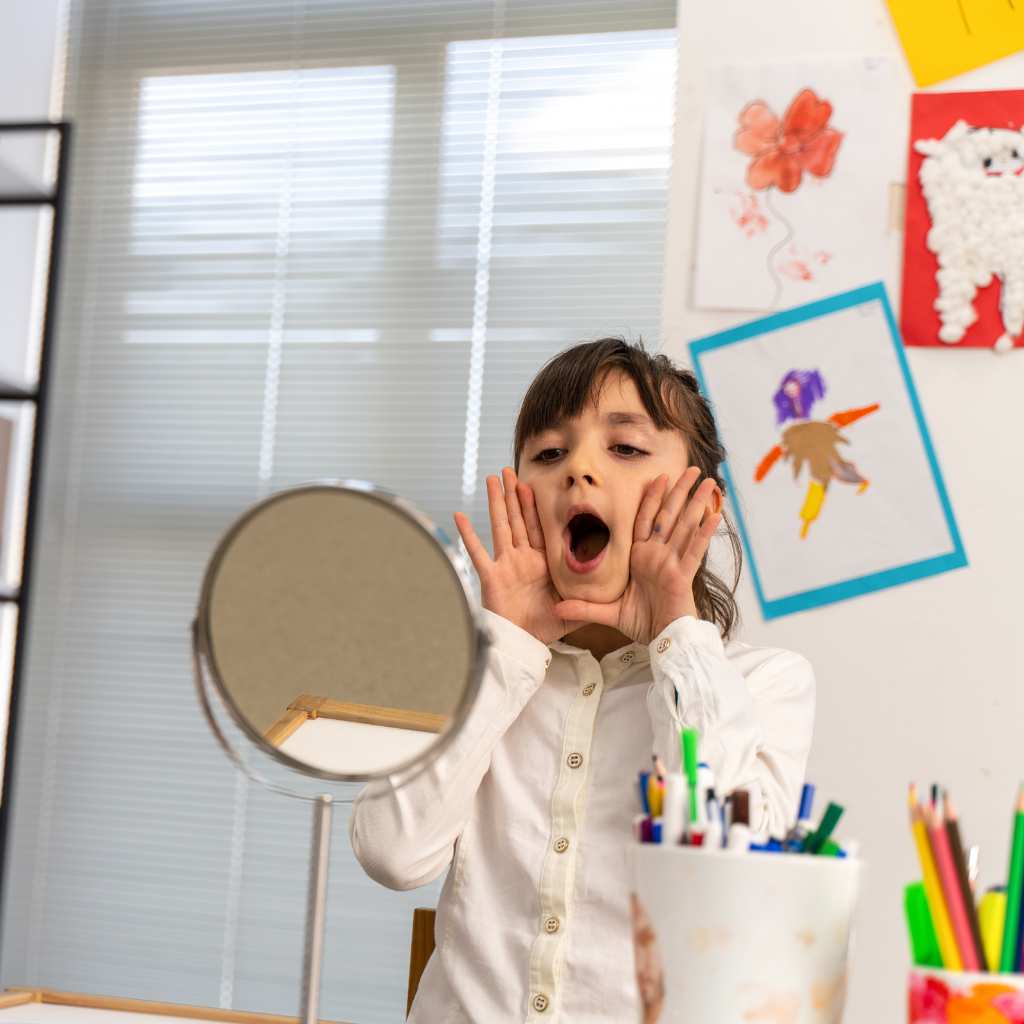
- Difficulty pronouncing sounds clearly
- Relying more on gestures than speech
Importantly, many children with speech delays still show strong social engagement. They may:
- Make eye contact
- Respond to their name
- Point to share interest
- Try to interact, even without words
According to the Singapore Medical Journal, speech and language delays affect about 5% to 12% of children ages 2 to 5, and if left unaddressed, they can impact learning, behavior, and social skills later on. That’s why recognizing delays early and seeking support can make a big difference in a child’s overall development and future success.
This distinction is key when comparing speech delay vs autism.
What Is Autism?
Autism is a neurodevelopmental condition that affects how a child communicates, interacts, and processes the world around them.
While speech delays can be part of autism, they are only one piece of a much larger picture.
Autism is typically identified through patterns in:
- Social communication
- Interaction with others
- Repetitive behaviors or restricted interests
Some children with autism may speak later, while others may develop language but use it differently.
Speech Delay vs Autism: What’s the Core Difference?
When asking about speech delay or autism, most important difference is not just whether a child is speaking, but how they are connecting and communicating overall.
In a Speech Delay:
- The challenge is primarily verbal
- Social interaction is usually present
- The child attempts to communicate using gestures, sounds, or expressions
In Autism:
- Communication differences go beyond speech
- Social interaction may be limited or look different
- There may be reduced use of gestures, eye contact, or shared attention
In other words, a child with a speech delay wants to connect but struggles to express it verbally. A child with autism may experience differences in both communication and social engagement.
Signs of Autism in Toddlers vs Speech Delay
When trying to understand speech delay or autism, it’s essential to look at the full range of behaviors.
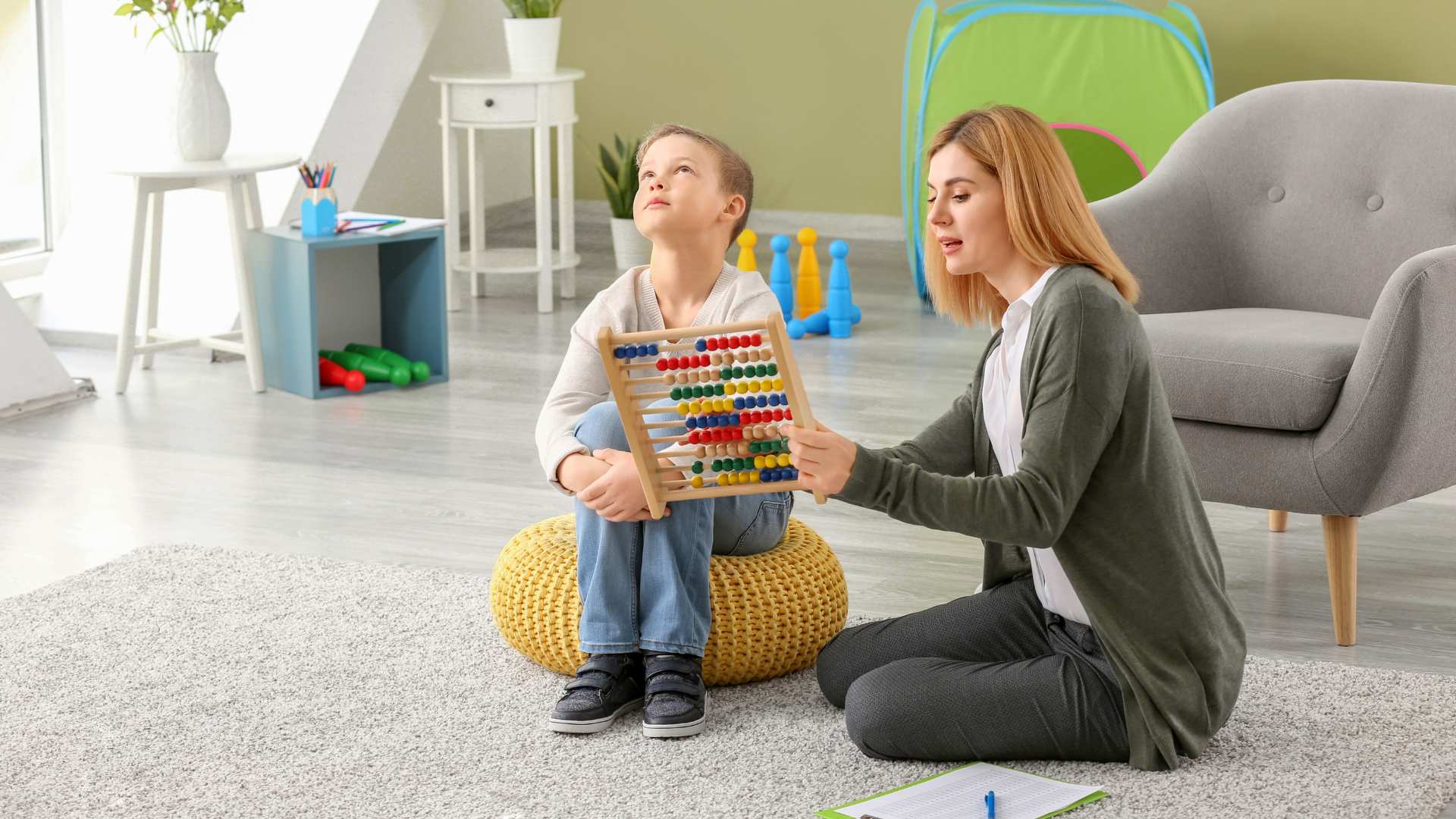
Here are some signs of autism in toddlers that may appear alongside delayed speech:
- Limited or inconsistent response to name
- Reduced eye contact
- Not pointing to show interest or share attention
- Limited imitation of sounds or actions
- Preference for repetitive activities
- Less interest in interacting with others
In contrast, a child with only a speech delay may:
- Use gestures like pointing or waving
- Try to engage through facial expressions
- Show a strong interest in people and interaction
- Understand language even if they don’t speak much
These differences help professionals determine whether a child is experiencing a speech delay alone or something more complex.
Can a Child Have Both?
Yes, and this is where things can become confusing.
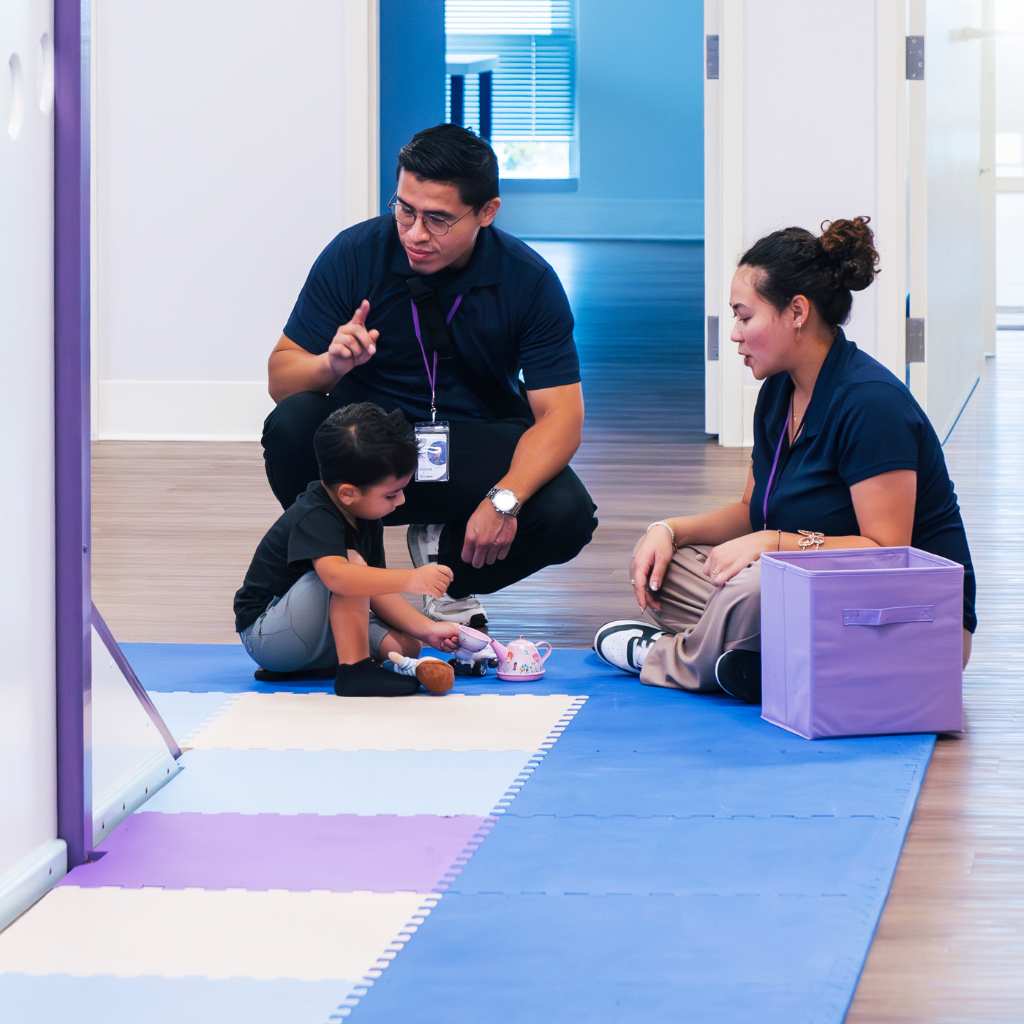
Many children with autism also have speech delays, especially in early development. That’s why it’s important not to focus only on speech, but on the broader communication profile.
If you’re asking, ” Does my child have autism or is it just a speech delay?”, the answer often comes from looking at:
- Social interaction patterns
- Use of nonverbal communication
- Play behaviors
- Responsiveness to others
According to the North American Journal of Medicine, children with autism often experience differences in how they use and understand language, but these can vary widely from one child to another. Some may not speak at all, while others may talk a lot but in ways that sound repetitive, unusual, or hard to follow.
Early on, they may show fewer signs of shared attention (like pointing or showing things) and may use words more to get what they want rather than to interact socially. In many cases, difficulties with social engagement and communication are closely linked, making language delays more noticeable. These differences can appear as early as the first years of life and may include losing words or becoming less socially responsive.
Why Early Differences Are Sometimes Missed
Speech delays are easier to notice than social communication differences.
A child who isn’t talking stands out quickly. But differences like:
- Not pointing
- Not sharing attention
- Not engaging in back-and-forth interaction
can be more subtle at first.
That’s why some children are initially thought to have only a speech delay, and later receive an autism diagnosis as more patterns become clear.
When Should You Seek Professional Guidance?
It’s always better to ask questions early rather than wait.
You may want to seek an evaluation if your child:
- Is not using words by 16–18 months
- Is not combining words by age 2
- Rarely responds to their name
- Shows limited social interaction
- Has lost previously used words or skills
Even if it turns out not to be autism, early guidance can still support your child’s development.
How Professionals Evaluate Speech Delay vs Autism
A proper evaluation looks at the whole child, not just their speech.
This may include:
- Observing how the child communicates and interacts
- Reviewing developmental milestones
- Asking detailed questions about behavior
- Using standardized screening tools
Speech-language pathologists, developmental pediatricians, and behavioral specialists may all be involved in the process.
How Support Can Help Build Communication Skills
Whether a child has a speech delay, autism, or both, early support can make a meaningful difference.
Intervention focuses on:
- Encouraging communication (verbal or nonverbal)
- Building social interaction skills
- Supporting understanding and use of language
- Expanding play and engagement
ABA therapy is one approach that can help children develop communication and interaction skills in structured, individualized ways.
Rather than focusing only on speech, it supports the full communication process, helping children learn how to connect, express themselves, and respond to others.
Why Getting the Right Answer Early Changes Everything
One of the hardest parts for parents isn’t the diagnosis, it’s the uncertainty before it.
Not knowing whether it’s a speech delay or something more can lead to waiting, second-guessing, or hoping things will “catch up” on their own. But when it comes to communication development, time matters, not because something is wrong, but because early support can make learning easier and more natural for your child.
If your child is showing signs that go beyond speech, such as limited interaction, difficulty engaging, or reduced responsiveness to others, it’s worth getting a clearer picture now rather than later.
Taking the Next Step Without Guessing
At ABA Centers of Florida, families often reach out at this exact stage, when something doesn’t feel quite typical, but they’re not sure what it means yet.
Instead of jumping straight into assumptions, the focus is on understanding your child’s full developmental profile: how they communicate, how they engage, and how they learn best.
From there, if support is needed, it’s designed to build real, usable skills, not just in speech, but in connection, interaction, and daily life.
If you’re noticing changes but aren’t sure what they mean yet, you don’t have to figure it out alone. Call (772) 773-1975 or contact us online to talk things through and get a clearer sense of your next step. Sometimes, a quick conversation can bring more clarity than weeks of searching.