


Why Valentine´s Day and Autism Can Feel Like a Tricky Mix
Many kids with autism experience the world through a nervous system that processes sensory input differently; sound, touch, smells, bright colors, crowded rooms, even the feel of a new shirt or sticky frosting can register as “too much” (or sometimes “not enough”). Autism Speaks explains that sensory differences can be hypersensitivity, hyposensitivity, or sensory seeking, and that accommodations often need to change by setting.
That matters on Valentine´s Day, because the holiday tends to stack triggers:
- Novelty: special events, different schedules, and new expectations
- Intensity: crowds, noise, decorations, perfumes, food dyes, and clutter
- Social pressure: scripts like “say thank you,” “give hugs,” or “hand out cards.”
- Time limits: activities that happen fast and all at once
Recent research perspectives also argue that sensory and movement differences are foundational, not “extra.” They can be present very early in life and shape how people with autism experience and adapt to the world. That’s a helpful lens as a parent. If your child struggles on Valentine´s Day, it’s not about being “difficult.” It may be about navigating an environment that wasn’t designed with their needs in mind.
Valentine´s Day Activities for Autism
Let’s build a plan that protects regulation and keeps the day meaningful. This step is where Valentine´s Day activities for autism can shine, because the goal isn’t to copy what everyone else is doing. The goal is to help your child participate in a way that feels safe.

- Start with Predictability (even if the day is “different”)
Preparing ahead and making the holiday more understandable, especially for kids who do best with routine and clear expectations.
Try:
- A simple visual plan for the day (morning → school → party → home)
- A preview of what will happen at the party (photos, teacher notes, or a short “what to expect” talk)
- A clear exit plan (“If it’s too loud, you can sit in the calm corner or ask for a break”)
- Choose Connection Over Performance
Autism-friendly Valentine´s Day doesn’t require eye contact, hugs, or perfect manners. Love can look like parallel play, sharing a favorite snack, handing someone a card without speaking, or choosing a small gift with care.
We recommend leaning into your child’s strengths and preferences, like showing love through interests, routines, or simple acts that feel natural to them.
- Build Sensory Support into the Celebration
Create sensory-friendly ideas that keep the holiday fun without turning it into a sensory marathon.
Consider:
- A sensory “menu” (pick 1–2 activities, not six)
- Texture swaps (smooth paper instead of glitter; stickers instead of glue)
- A comfort kit (headphones, chewy, fidget, sunglasses, whatever helps your child reset)
Sensory support is where autism-friendly Valentine´s Day planning can be preventative. The sensory supports aren’t a “reward” after dysregulation; they’re part of the setup.
Practical Valentine Routines That Help Kids Feel Safe and Successful
When families feel Valentine´s Day went better than expected, it’s usually not because the day was perfect. It’s because there were guardrails.
- Make “Small Wins” the Goal
Instead of “participate in everything,” try:
- Hand out five cards instead of twenty
- Stay for ten minutes at the party, then take a break
- Pick one class activity (craft or game)
This approach also respects what autism research keeps reinforcing. Sensory and attention demands vary by person and by context. Support needs change across settings.
- Practice the Script—Then Allow Flexibility
For some kids, rehearsing helps. For others, rehearsing can increase anxiety because it feels like pressure. You know your child best.
If practice helps, keep it short:
- “Happy Valentine´s Day.”
- “Here you go.”
- “Thank you.”
And if your child can’t use those scripts in the moment, it still counts. Valentine´s Day and autism are about belonging, not perfection.
- Watch the “Hidden” Sensory Triggers
Many families plan for noise, but get surprised by:
- Food smells in the classroom
- Scratchy outfits for a themed day
- Sticky hands from frosting or candy
- Visual overload (bright décor and crowded tables)
Accommodations might mean modifying the environment or using tools/strategies to reduce discomfort and increase participation.
- Sensory-Aware Ideas that Still Feel Festive
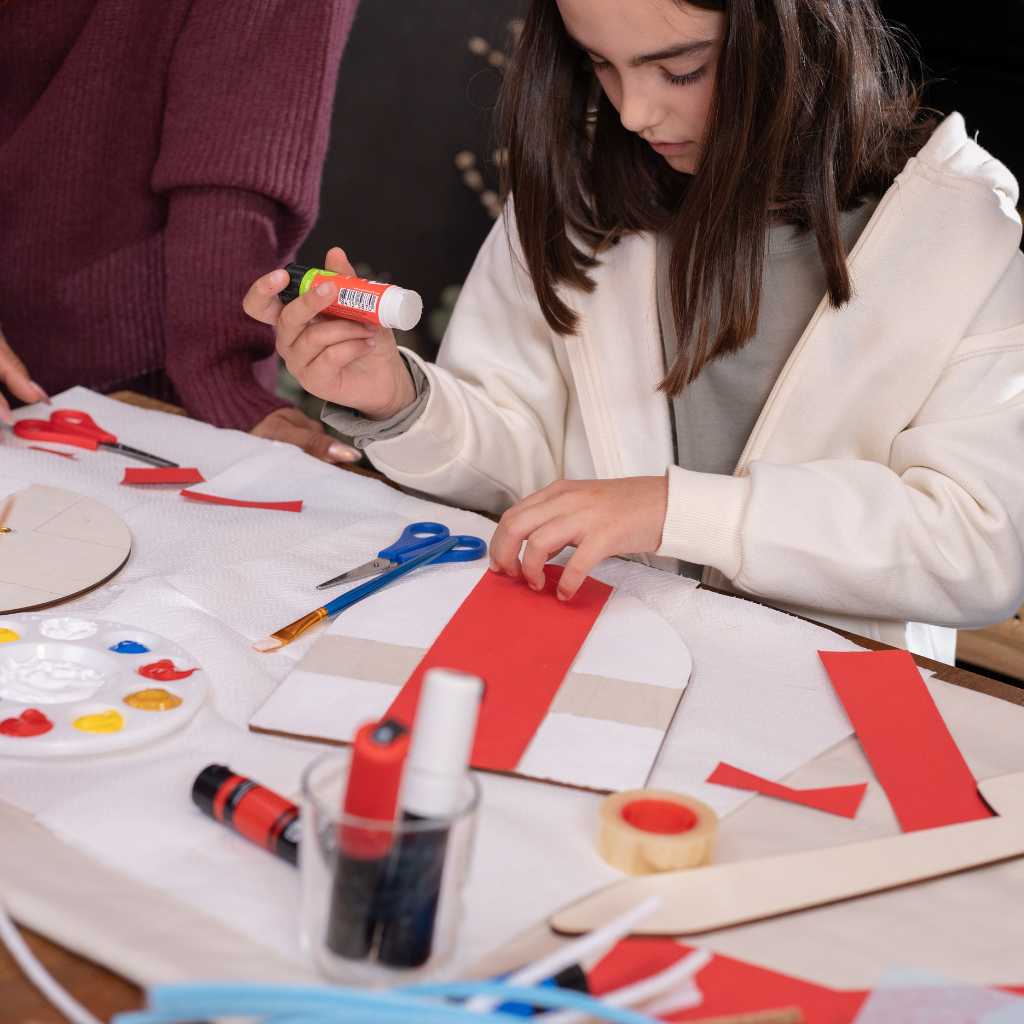
If you want more Valentine´s Day activities for autism, think “regulated play with a Valentine theme,” not “Pinterest-level crafts.”
Here are a few options that are usually easier to customize:
- Card choosing station: Let your child pick 3–5 cards to give (fewer decisions, less overwhelm).
- Heart hunt: Hide paper hearts around one room; add movement breaks naturally.
- Sensory bin (optional): Use one preferred base (rice, kinetic sand, pom-poms) and keep it predictable.
- Comfort movie + “love language” snack: Celebrate with familiarity instead of novelty.
Remember, throughout any of these steps, an autism-friendly Valentine´s Day can absolutely be quiet and calm.
How ABA Therapy Can Support Valentine´s Day Skills Without Forcing “Masking”
A common parent worry is: I want my child to connect, but I don’t want them pressured into acting neurotypical.
That’s a fair concern. High-quality ABA therapy should focus on functional, consent-based skills that make life easier. The goal is not to push a child to tolerate distress for someone else’s comfort.






 Español