


It’s one of the most common concerns parents share: Why isn’t my toddler talking yet?
You may notice other children the same age saying words, combining phrases, or responding clearly to questions, while your child is quieter. It’s natural to compare. It’s also natural to worry.
Language development varies. Some toddlers talk early. Others take more time. But understanding what is typical, what may be considered a “late talker,” and when silence could signal a developmental concern, including speech delay or autism, can help parents make informed decisions.
In this blog by ABA Centers of Florida, we explain what to expect at different ages, how to tell the difference between a later talker vs speech delay, when autism may be considered, and what steps families can take next.
When Do Toddlers Usually Start Talking?

Language development begins long before the first words.
According to Mayo Clinic, most toddlers:
- Babble by 6–9 months
- Say their first word around 12 months
- Use several single words by 15–18 months
- Have at least 20–50 words by age 2
- Begin combining two words around 24 months (“more milk,” “mommy up”)
Some children develop language more slowly but catch up without intervention. These children are often called “late talkers.”
However, there is a difference between a late talker vs speech delay. For many families, understanding that difference matters.
What Is a “Late Talker”?
A late talker is a child who:
- Has limited spoken words by 18–24 months
- Shows a strong understanding of language
- Uses gestures like pointing or waving
- Engages socially and makes eye contact
- Follows simple directions
In many cases, late talkers catch up by age 3 with minimal intervention.
But if speech delay is accompanied by other developmental concerns, it may require further evaluation.
Speech Delay or Autism: What’s the Difference?
When parents ask, “Why isn’t my toddler talking yet?” they often worry about speech delay or autism.
A speech delay primarily affects expressive language; the child understands but does not speak as much as expected.
Autism, on the other hand, involves differences in social communication and behavior patterns in addition to speech delay.

When Is It a Warning?
Parents should consider speaking with their pediatrician if their toddler:
- Has no words by 16–18 months
- Is not babbling by 12 months
- Does not point or use gestures by 12–15 months
- Does not follow simple instructions
- Loses language or social skills
- Rarely engages in back-and-forth interaction
Trust your instincts. If something feels off, it’s worth asking questions.
Why Early Evaluation Matters
Many parents hesitate to seek evaluation because they hope their child will “grow out of it.”
While that may happen in some cases, early screening has no downside. It either reassures you — or it opens the door to early intervention.
The American Academy of Pediatrics recommends autism-specific screening at 18 and 24 months.
Early intervention can:
- Improve language development
- Strengthen social engagement
- Reduce frustration-related behaviors
- Support emotional regulation
- Increase long-term independence
The earlier support begins, the more flexible the developing brain can be.
What Steps Should Parents Take?
If you’re asking, “Why isn’t my toddler talking yet?” consider these steps:
1. Schedule a Pediatric Appointment
Share specific observations and request a developmental screening.
2. Request a Speech Evaluation
A licensed speech-language pathologist can assess expressive and receptive skills.
3. Ask About Autism Screening
Especially if speech delay is paired with social differences.
4. Seek a Comprehensive Diagnostic Evaluation if Recommended
Getting answers early allows you to take action sooner.
Early ABA Intervention
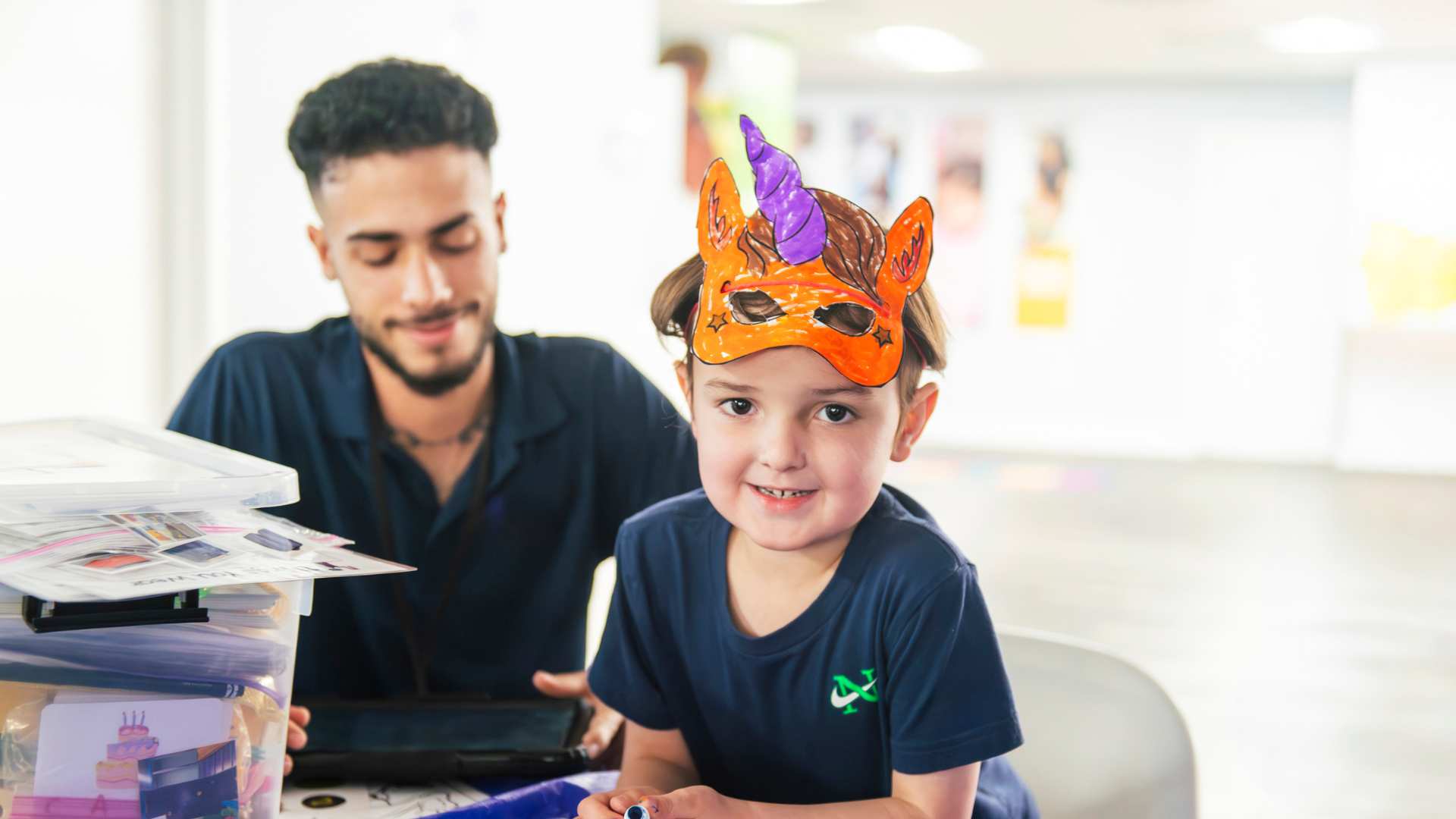
If a child is diagnosed with autism, Applied Behavior Analysis (ABA therapy) is frequently recommended by pediatricians and developmental specialists.
ABA therapy focuses on:
- Teaching communication skills
- Increasing social engagement
- Encouraging functional language use
- Reducing challenging behaviors
- Breaking skills into manageable steps
Early ABA intervention can significantly improve language development when started in toddlerhood.






 Español