
Tabla de contenidos
What Social Development Skills Should a 2-Year-Old Have?
Around age two, many parents notice significant changes in how their child interacts with the world.
It’s no longer just about walking or talking. Now it’s about connection, how your toddler responds to you, plays with others, expresses emotions, and begins to understand social situations.
So, what social development skills should a 2-year-old have? And what does it mean if your child isn’t quite there yet?
The short answer is that social developmental milestones at this age can vary, but there are consistent patterns that most children begin to show. When those patterns are missing or delayed, it can sometimes point to developmental differences, including early signs of autism.
En este blog de ABA Centers of Florida, we’ll walk through developmental milestones at 2 years, explain what social-emotional development looks like in real life, and help you understand when it may be time to look a little closer and what support can do moving forward.
If you’ve been comparing your child to others or wondering whether certain behaviors are typical, this will help you see the bigger picture more clearly.
What Are Social Developmental Milestones?
Según la National Library of Medicine, social developmental milestones are the skills that allow a child to connect, communicate, and build relationships.
At age two, these skills go beyond simple interaction. They include how a child:
- Responds to others
- Shares attention
- Expresses emotions
- Participates in play
- Understands basic social cues
These abilities are closely tied to both communication and emotional development, which is why they are such an important part of developmental milestones at 2 years.
What Social Skills Should a 2-Year-Old Have?
Instead of thinking in terms of a checklist, it helps to picture how these skills show up during everyday moments.
1. Responding and Engaging with Others
Most toddlers at this age:
- Respond when their name is called
- Look toward caregivers when spoken to
- Show interest in what others are doing
This kind of engagement is one of the most important social-emotional milestones for toddlers, because it shows awareness of people and connection.
2. Sharing Attention (Joint Attention)
A 2-year-old will often:
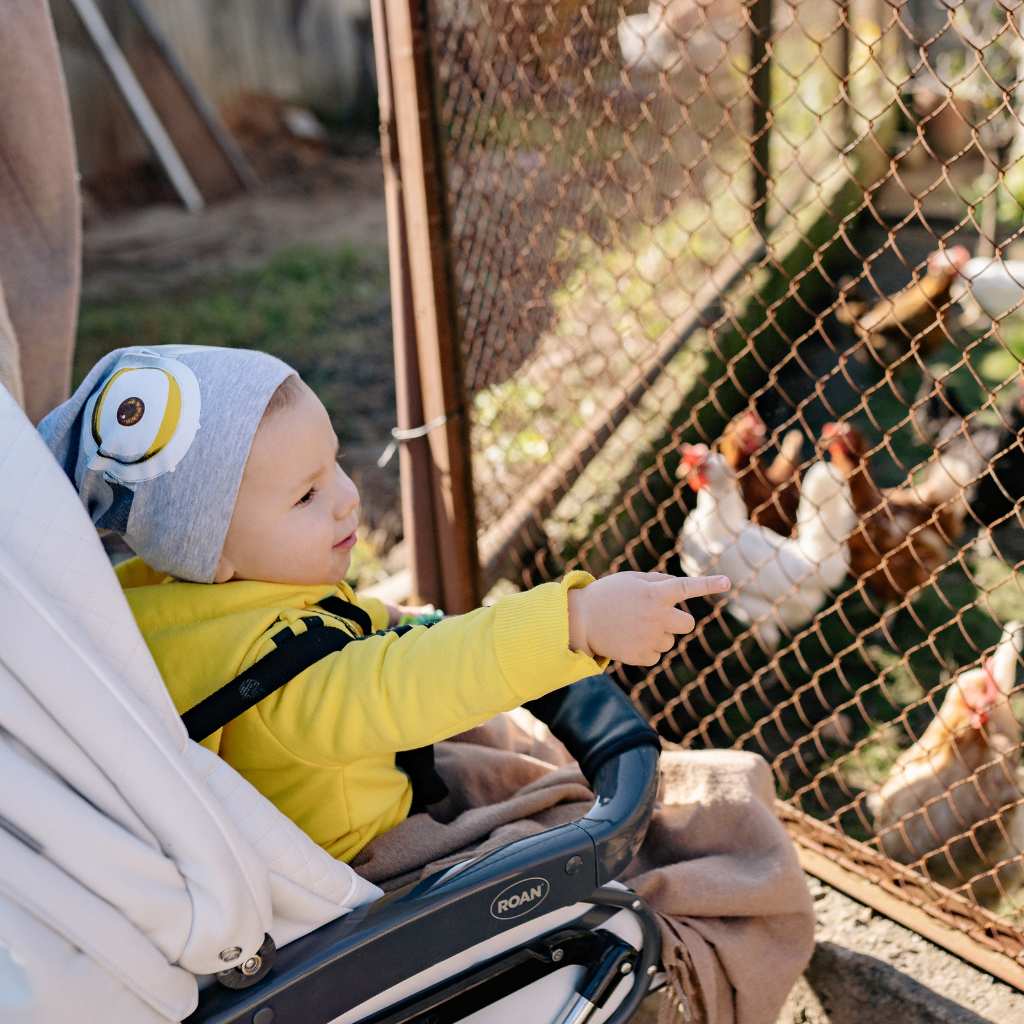
- Point to show you something interesting
- Look back and forth between an object and a person
- Try to get your attention to share experiences
This ability, called joint attention, is a core part of social developmental milestones because it reflects a child’s desire to connect, not just interact.
3. Imitation and Learning from Others
At this stage, children learn by watching.
You might notice your toddler:
- Copying actions like sweeping, cooking, or talking on the phone
- Repeating words or phrases they hear
- Mimicking facial expressions
Imitation is one of the building blocks of communication and social learning.
4. Early Play and Interaction
Play begins to shift at this age.
Instead of only exploring objects, toddlers start to:
- Use toys in simple pretend ways (feeding a doll, driving a car)
- Engage briefly with other children
- Show interest in shared play, even if it’s not fully cooperative yet
These moments are part of developmental milestones at 2 years, especially as play becomes more social.
5. Expressing Emotions and Preferences
Two-year-olds begin to show clearer emotional responses.
This includes:
- Showing affection toward familiar people
- Expressing frustration or excitement
- Seeking comfort when upset
- Showing preferences for certain people or activities
These emotional expressions are a key part of social-emotional milestones for toddlers.
What If a Child Is Not Reaching These Milestones?
It’s important to remember that children develop at different paces.
Some toddlers may take a little longer in certain areas and catch up over time. But when multiple social developmental milestones are missing or significantly delayed, it may warrant a closer look.
You might start to feel concerned if your child:
- Rarely responds to their name
- Does not point or try to share attention
- Shows limited interest in interacting with others
- Does not imitate actions or sounds
- Prefers to play alone consistently
When these patterns appear together, they may reflect more than a simple delay.
When Could This Be a Sign of Autism?
Autism affects how a child communicates, interacts, and connects with others.
Because of this, many early signs of autism in toddlers are directly related to social development.
Según la NHS, differences may include:
- Reduced eye contact
- Limited use of gestures (pointing, waving)
- Difficulty with joint attention
- Less interest in shared interaction
- Repetitive behaviors or focused play patterns
What stands out is not just a delay, but a difference in how the child engages socially.
That’s why social developmental milestones are such an important part of early identification.
Why Social Development Milestones Matter So Much at This Age
At age two, social skills are the foundation for:
- Desarrollo del lenguaje
- Emotional regulation
- Learning from others
- Building relationships
When a child is connected and engaged, learning happens more naturally.
When those connections are limited, it can affect multiple areas of development, not just social skills.
Can These Skills Be Taught if a Child Has Autism?
Yes, and this is one of the most important things for parents to understand.
If a child is showing delays in social-emotional milestones, it doesn’t mean those skills won’t develop. It means they may need to be taught more intentionally.
Children with autism can learn to:
- Respond to their name
- Use gestures and communication
- Engage in shared play
- Build social awareness
- Develop emotional understanding
They may learn these skills differently or at a different pace, but progress is absolutely possible with the right support.
How Support Helps Build Social Skills
Early ABA support focuses on helping children connect in ways that feel natural and achievable.
This often includes:
- Building joint attention through play
- Encouraging communication (verbal and nonverbal)
- Expanding interaction gradually
- Supporting emotional understanding
ABA therapy is one approach that helps break down these skills into manageable steps, allowing children to build them over time in a structured but flexible way.
When It’s Time to Get a Clearer Picture
If your child is not meeting several developmental milestones at 2 years, especially in social interaction, it’s okay to ask questions.
You don’t need to wait for things to “catch up” on their own.
Getting a professional perspective can help you:
- Understand your child’s development more clearly
- Identify whether delays are present
- Learn what support may help
- Feel more confident about what to do next
When You’re Ready to Take the Next Step

En ABA Centers of Florida, many families reach out when they notice differences in how their toddler connects, plays, or responds socially.
Instead of focusing only on what a child is not doing, the goal is to understand how they are engaging and how to build from there.
ABA support is tailored to help children develop communication, interaction, and everyday skills in ways that fit their learning style.
If you’ve been wondering whether your child is meeting expected social-emotional milestones for toddlers, or if something feels different, you can call (772) 773-1975 o programa una consulta gratuita to talk through your concerns and get a clearer sense of what steps may help.