


facebook

Autism and Homeschooling: A Practical Guide for Families in Florida

A quiet study scene with a parent guiding a child, representing autism and homeschooling

Tabla de contenidos

How to Homeschool a Child with Autism?

For many families, deciding how to educate a hijo en el espectro involves careful thought. Autism and homeschooling are topics that continue to gain interest as parents seek flexible, individualized educational options. Some families consider homeschooling because their child struggles in traditional classrooms, while others are drawn to the ability to tailor instruction to their child’s pace and learning style.

Homeschooling a child with autism can be both rewarding and challenging. It offers customization and structure but also requires planning, organization, and awareness of state regulations. Understanding how homeschooling and autism intersect helps families make informed decisions.

In this guide from ABA Centers of Florida, we explain whether it is possible to homeschool a child with autism, how to begin, Florida’s legal requirements, ways to support social development, curriculum options, and how ABA therapy can serve as a valuable complement to home-based education.

Can You Homeschool a Child with Autism?

Yes. In Florida, homeschooling is legally recognized and accessible to families of children with special needs, including autism.

Many parents choose this path because traditional classrooms may not always provide:

  • Adequate sensory accommodations
  • Individualized pacing
  • Emotional regulation support
  • Reduced classroom distractions
  • Consistent structure

For some children on the spectrum, a home-based learning environment reduces anxiety and increases engagement.

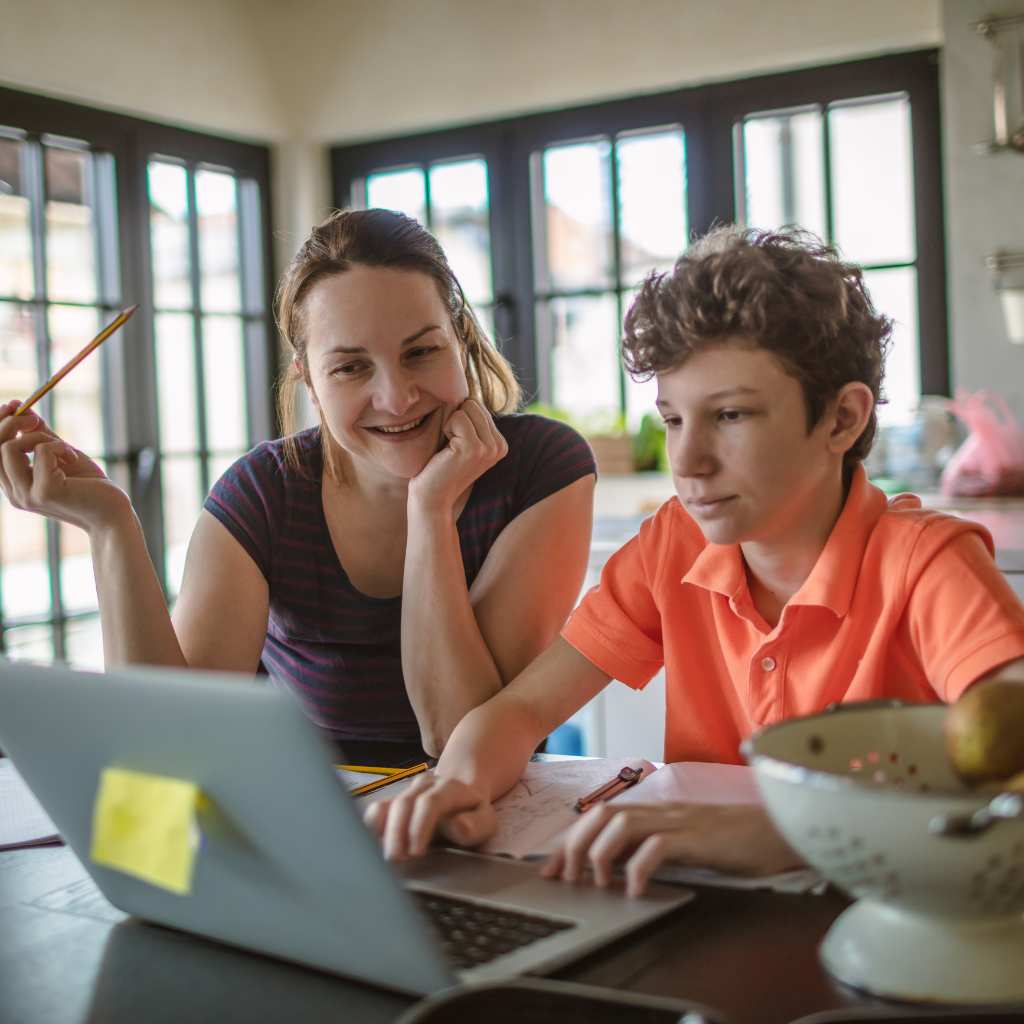
Adult and child working together at a kitchen table illuystrating homeschooling a child with autism

Sin embargo, homeschooling and autism require planning, patience, and structure. It’s not simply bringing schoolwork home — it’s designing an educational approach that fits your child’s learning style. This approach requires thoughtful planning to ensure academic progress and social development remain priorities.

Autism and Homeschooling: Florida Requirements

If you are considering homeschooling a child with autism in Florida, it is important to understand that the state offers three legally recognized pathways for home education. Each option provides flexibility, but the responsibilities differ slightly.

Below is a simplified overview designed to help families understand their choices.

Option 1: Homeschooling Under Florida’s Home Education Statute

This is the most common pathway families choose when homeschooling a child with autism.

To comply with this option, parents must:

  1. Submit a Notice of Intent

Within 30 days of starting your homeschool program, you must notify your county’s school superintendent that you are establishing a home education program. This notice includes your child’s basic identifying information. You do not need to resubmit it annually unless you move to another county.

The district must register your homeschool program upon receipt of the notice.

  1. Maintain a Portfolio

Florida requires families to keep an educational portfolio. This includes:

  • A log of educational activities kept during instruction
  • Titles of reading materials used
  • Samples of student work (such as writing assignments, worksheets, projects, or creative work)

The portfolio must be retained for at least two years. School officials may request a review of it with written notice, but routine submission is not required.

  1. Complete an Annual Evaluation

Each homeschooled student must be evaluated once per year. Families can choose from several evaluation methods, including:

  • A review by a certified Florida teacher
  • A nationally normed achievement test
  • A district-approved assessment
  • An evaluation by a licensed psychologist
  • Another mutually agreed-upon valid assessment tool

This flexibility allows families homeschooling a child with autism to select the most appropriate evaluation format for their child’s needs.

  1. File a Notice of Termination (When Applicable)

If your child completes the homeschool program, graduates, or your family moves out of the county, you must submit a termination notice within 30 days.

Option 2: Homeschooling Through a Private School “Umbrella” Program
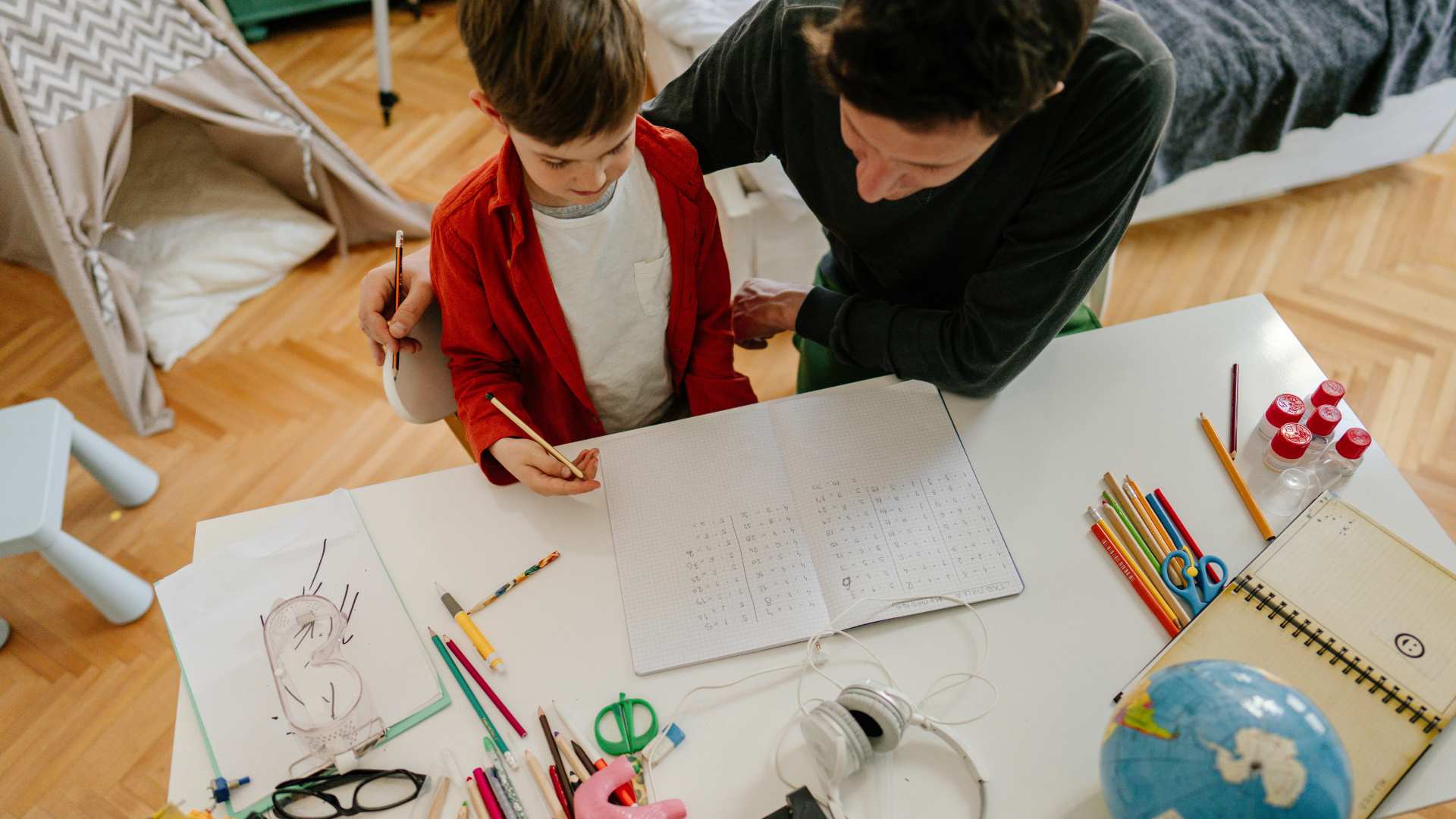
A parent guiding a child through schoolwork at home, showing a calm moment of homeschooling a child with autism

Another option for homeschooling and autism in Florida is enrolling your child in a registered private school that oversees home education.

These programs, often called “umbrella” or “cover” schools, assume administrative oversight responsibilities. Instead of reporting directly to the district superintendent, your homeschool program is supervised through the private school.

Parents remain responsible for ensuring that the private school is properly registered with the Florida Department of Education and compliant with state requirements.

This option may appeal to families who prefer structured oversight or additional guidance.

Option 3: Homeschooling With a Certified Private Tutor

Florida law also allows home education under the supervision of a private tutor.

In this case:

  • The tutor must hold a valid Florida teaching certificate for the relevant subjects or grade levels
  • The tutor is responsible for maintaining the required educational records
  • The student must complete the equivalent of 180 instructional days per year

This pathway may be helpful for families who want individualized instruction but prefer a certified educator to lead the academic component.

Benefits of Homeschooling and Autism

For some families, autism and homeschooling align well due to the following benefits:

  1. Individualized Learning Pace

Children with autism may need additional time to process information or may excel in certain subjects. Homeschooling allows parents to adapt pacing without classroom constraints.

  1. Sensory-Friendly Environment

Many children on the spectrum experience sensory sensitivities. At home, lighting, sound levels, seating, and routines can be adjusted to reduce dysregulation.

  1. Flexible Scheduling

Some children benefit from shorter learning sessions with frequent breaks. Homeschooling allows for movement breaks, therapy sessions, and structured downtime throughout the day.

  1. Strength-Based Learning

Homeschooling a child with autism allows parents to incorporate a child’s interests into lessons, increasing engagement and motivation.

Challenges to Consider

While homeschooling and autism can be a good match, families should also consider potential challenges:

  • Time commitment for the parent
  • Curriculum planning responsibilities
  • Ensuring academic progress
  • Providing adequate social opportunities
  • Managing therapy appointments

Understanding both benefits and responsibilities helps families prepare realistically.

How to Ensure Social Development While Homeschooling

A common concern with autism and homeschooling is the development of social skills.

Children on the spectrum often require structured opportunities to practice social communication. Homeschooling does not mean social isolation if families intentionally build social experiences into their routine.

Options may include:

Social development should be purposeful and supported rather than left to chance.

What Curriculum Can Be Used for Homeschooling a Child with Autism?

Florida does not mandate a specific curriculum, which allows flexibility.

Families homeschooling a child with autism may consider:

  • Traditional structured curriculum programs
  • Online learning platforms
  • Unit-based thematic learning
  • Life-skills-based education
  • Hybrid homeschool programs

Some families combine academic curriculum with functional life skills instruction, especially for children who benefit from practical learning.

When selecting a curriculum, consider:

  • Learning style (visual, auditory, hands-on)
  • Attention span
  • Sensory preferences
  • Communication abilities
  • Long-term goals

Parents may also consult educational specialists or therapists for guidance.

How to Begin Homeschooling and Autism Planning

If you are considering homeschooling a child with autism, begin with:

  1. Reviewing Florida’s homeschooling laws
  2. Identifying your child’s academic and developmental needs
  3. Researching curriculum options
  4. Building a daily routine structure
  5. Coordinating therapy schedules, if applicable

Starting gradually and adjusting as needed is often more sustainable than attempting a rigid structure immediately.

How ABA Therapy Supports Children Who Are Homeschooled

La terapia ABA does not replace formal education, but it can be a valuable complement to homeschooling and autism plans.

ABA therapy focuses on:

  • Habilidades de comunicación
  • Emotional regulation
  • Interacción social
  • Daily living skills
  • Executive functioning
  • Positive behavior development

For homeschooled children, ABA therapy can provide structured instruction in areas that may not be fully covered by the academic curriculum alone.

Supporting Long-Term Success

Whether families choose traditional schooling, or homeschooling, the goal remains the same: helping children develop the academic, social, and life skills needed for independence.

Homeschooling can be a strong fit when it is:

  • Structured
  • Intentional
  • Socially supportive
  • Supplemented with professional guidance when needed

Families do not have to navigate the journey alone.

Cómo ABA Centers of Florida Apoya a las Familias

En ABA Centers of Florida, we support children with autism from diagnosis through early intervention and individualized ABA therapy. Our services are available in Boca Raton, Jensen Beach, Orlando, Tampa, Celebration, Miramar, Tamarac, and many surrounding areas.

For families exploring autism and homeschooling, our team provides personalized ABA programs, available at home or in our state-of-the-art centers, designed to strengthen communication, social skills, and daily living skills that complement academic education.

We work collaboratively with families to ensure children develop positive skills that support long-term growth — whether they are educated at home or in traditional school settings. We also host eventos de temporada designed to promote social interaction among children, families, and the autism community, fostering a sense of belonging and friendship beyond therapy sessions.

If you are considering homeschooling a child with autism and would like additional support, contact ABA Centers of Florida al (772) 773-1975 o completa nuestro formulario en línea to learn how our evidence-based therapy programs can help.

Descubra cómo nuestros servicios de tratamiento del autismo pueden ayudarlo.

Contáctenos

Artículos Relacionados

Parent engaging face-to-face with young child during a calm interaction, illustrating how ACT therapy for autism helps build emotional skills and supports regulation alongside approaches like ABA and ACT.

Understanding ACT Therapy for Autism: Our Guide

Parents raising children with autism spectrum disorder (ASD) often spend a lot of time researching. They read about therapies, compare approaches, and ask thoughtful questions to understand what will truly support their child’s growth, not just academically, but emotionally. One topic that’s been gaining attention lately is ACT therapy for autism.

Leer más
Valentine´s Day and autism. Autism-friendly Valentine’s Day celebration with children holding heart balloons, supporting Valentine’s Day and autism connection.

Valentine´s Day and Autism: Making Room for Real Connection

Valentine´s Day can bring excitement, but for many children with autism, it can also bring sensory overload, social pressure, and big emotions. In this blog, we explore Valentine´s Day and autism through a compassionate lens, sharing practical ways to create an autism-friendly Valentine´s Day.

Leer más
en_USEnglish
Scroll al inicio
metricool