

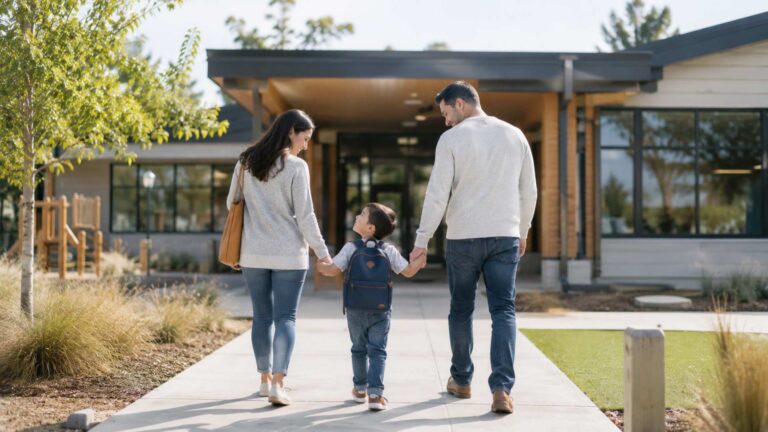
How Can I Start Preparing My Child with Autism for Preschool?
Preparing children with autism for preschool is a major milestone — and it’s natural for parents to have questions about how to get ready. Many wonder how they can prepare their child before school begins, and the simple answer is to start by creating simple routines at home, practicing everyday skills like handwashing and following directions, and encouraging basic communication.
For many families, preschool is the first major step into a structured learning environment. It marks the beginning of new routines, friendships, teachers, and experiences outside the home. While this milestone is exciting, it can also bring uncertainty, especially for parents of younger children with autism who wonder how their child will adjust to an unfamiliar setting.
En este artículo de ABA Centers of Florida, we’ll explore what school readiness really means, how autism and preschool can present unique opportunities and challenges, and practical ways families can begin preparing children with autism for preschool long before the first day arrives.
What Does School Readiness Mean?
For children, school readiness refers to the foundational skills that help children participate in everyday classroom routines, interact with adults and peers, and adapt to new experiences. Every child develops these abilities at their own pace, and children with autism may need additional opportunities to practice some of them before entering a classroom.
Readiness is not solely the child’s responsibility. The preschool should also be prepared to understand the child’s communication, sensory needs, accommodations, health and safety considerations, and preferred forms of support.
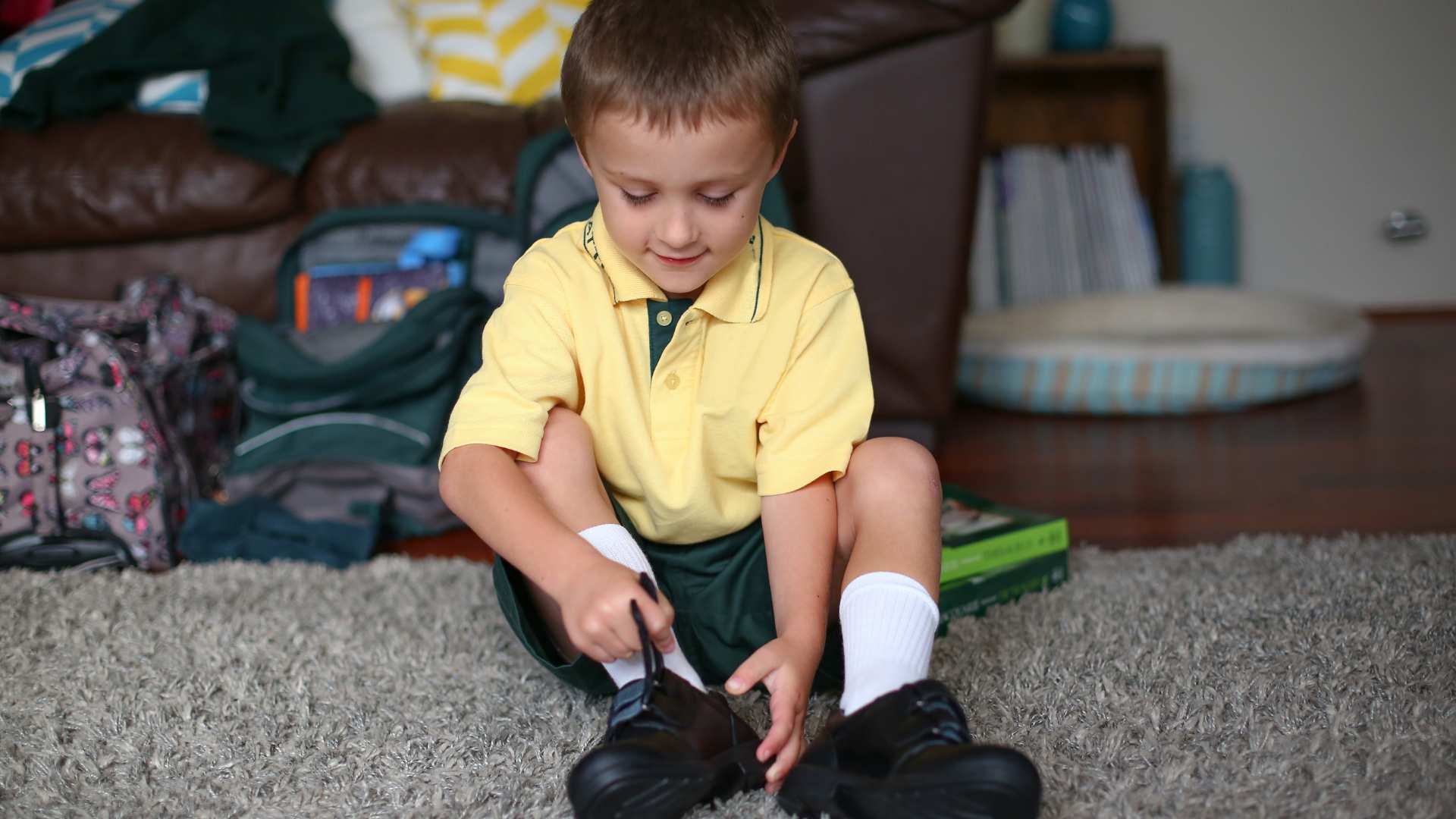
School readiness often includes skills such as:
- Communicating basic wants and needs
- Following simple routines or directions
- Participating in short group activities
- Playing alongside or interacting with other children
- Managing brief separations from parents or caregivers
- Beginning simple self-help skills, such as washing hands or putting away belongings
It’s important to remember that preschool teachers expect children to arrive with different personalities, experiences, and developmental levels. Preparing children with autism for preschool is about helping children become more comfortable learning within a new environment.
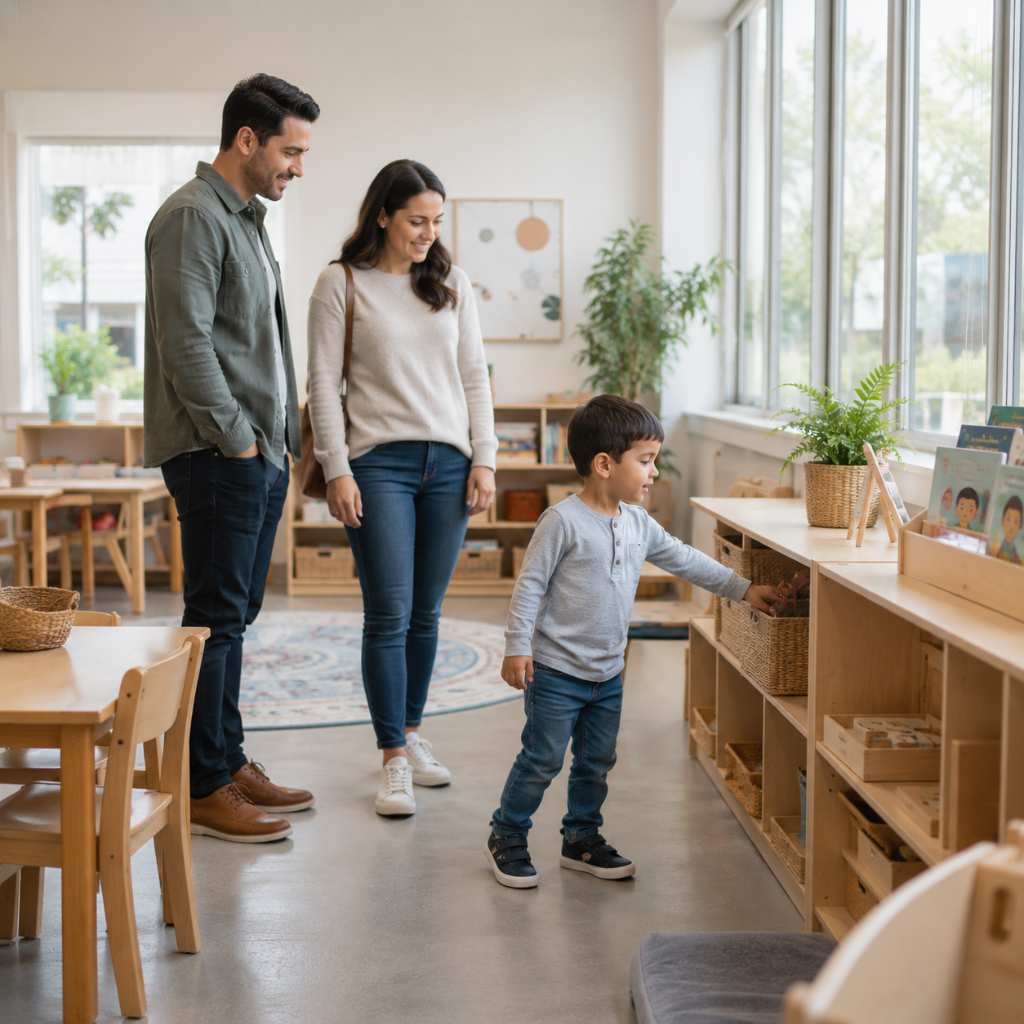
If the preschool offers orientation days or classroom visits, consider using that time to observe the daily routine and ask questions such as:
- What does a typical preschool day look like?
- How are transitions between activities handled?
- What strategies are used if a child becomes overwhelmed?
- How do teachers communicate with families about daily progress?
- Are visual schedules or quiet spaces available if needed?
These conversations also help teachers begin learning about your child before school officially starts, making the transition smoother for everyone involved.
How Can Parents Help Teachers Understand Their Child?
Parents know their children better than anyone else. Sharing that knowledge and advocating for your child before starting preschool helps teachers build positive relationships more quickly and respond appropriately to your child’s individual needs.
Some information teachers often appreciate includes:
- How your child communicates. Do they use words, gestures, pictures, or another communication system? How do they usually ask for help?
- Sensory preferences. Are there sounds, textures, or situations that your child finds especially comforting or overwhelming?
- Successful calming strategies. Let teachers know what usually helps if your child becomes frustrated or anxious.
- Favorite interests and motivators. Knowing what your child enjoys can help teachers build trust and encourage participation.
- Daily routines that already work well. Familiar strategies often transfer more easily into the classroom than completely new approaches.
This type of information gives teachers practical tools they can use immediately and encourages collaboration from the very beginning of the school year.
What Skills Can Families Practice Before Starting Preschool?
One of the biggest misconceptions about school readiness is that children need to master every skill before entering the classroom. Preschool is where many of these abilities continue developing.
The weeks before school simply provide opportunities to introduce some of the routines children will encounter each day.
For example, families can gradually practice:
Comunicación
Encourage your child to request help, ask for favorite items, or communicate simple needs during everyday routines.
Following Simple Routines
Morning routines, cleaning up toys, washing hands before meals, and putting on shoes all teach children how to move from one activity to another.
Self-Help Skills
Simple tasks such as carrying a backpack, opening snack containers, putting away belongings, or attempting to dress independently can help children feel more confident in the classroom.
Playing With Others
Children don’t need to become social butterflies before preschool. Practicing parallel play, taking turns with familiar adults, or participating in short group activities can gradually build comfort around peers.
Flexibilidad
Introducing small, predictable changes during everyday routines can help kids learn that transitions and unexpected moments are manageable with support.
These experiences help make preparing children with autism for preschool feel like part of daily life rather than a separate learning program.
How Can ABA Therapy Support School Readiness?
Many of the skills that help children participate successfully in preschool are also common goals within early intervention ABA therapy. Rather than focusing on academics, ABA emphasizes meaningful everyday skills that support learning across different environments.
A Board Certified Behavior Analyst (BCBA) develops individualized goals based on each child’s strengths, current abilities, and family priorities. For children preparing for preschool, therapy often targets the same foundational skills children will use throughout the school day.
Depending on the child’s needs, terapia ABA may help strengthen:
- Functional communication to request help, express needs, or make choices
- Following simple directions during structured and unstructured activities
- Transitioning between routines with greater flexibility
- Participating in short group activities and cooperative play
- Emotional regulation and coping strategies during challenging situations
- Adaptive skills such as washing hands, cleaning up, or increasing independence during daily routines
Parent collaboration is also an important part of early intervention. As families learn strategies alongside their child’s therapy team, they can continue practicing many of these skills during everyday routines at home, making learning more consistent across environments.
Preschool Readiness Continues After School Begins
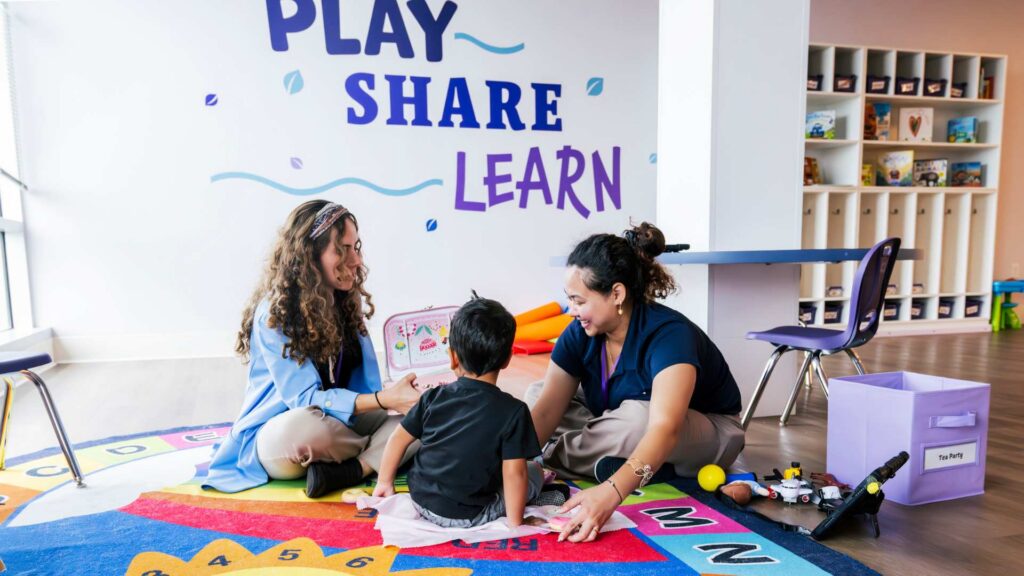
Preparing children with autism for preschool isn’t about eliminating every possible challenge before they walk into the classroom. It’s about helping them build the foundational skills that allow them to participate, communicate, and become more confident as they settle into their new environment.
En ABA Centers of Florida, we help families strengthen those foundational skills through individualized early intervention and ABA therapy. Our ABA professionals work closely with parents to develop meaningful goals that support communication, social interaction, emotional regulation, flexibility, and independence skills that can make the transition to preschool smoother both at school and at home.
If your child is getting ready to start preschool and you’d like to learn how ABA therapy can support school readiness, contact ABA Centers of Florida al (772) 773-1975 o agenda una consulta gratuita to learn more about our autism evaluations, early intervention services, and personalized ABA therapy programs.





 English