


Could My Toddler Have Autism?
During the first year of life, babies grow and change quickly. By their first birthday, many parents begin asking new questions about development. If you’ve started wondering about the signs of autism in 12-month-old children, you’re not alone.
At 12 months, some babies are taking their first steps. Others are babbling constantly. Some wave, clap, and point at everything they see. But when a baby isn’t doing these things, it can raise concerns.
Understanding typical 12-month-old developmental milestones, knowing the early signs of autism spectrum disorder (ASD), and recognizing when to seek screening can help parents make informed, confident decisions.
En este blog de ABA Centers of Florida, we’ll explain what development usually looks like at 12 months, what may be considered an early warning, how autism screening works, and how early support can make a difference. If you’re looking for answers or support, reach out to our team today for guidance tailored to your family’s needs.
What Are Typical 12-Month-Old Developmental Milestones?
Not every child develops at the same pace. However, there are common 12-month-old developmental milestones most babies reach around their first birthday. Some may include:
Social and Communication Milestones
Many 12-month-olds:
- Respond to their name
- Make eye contact during interaction
- Use gestures like waving or shaking their head
- Point to show interest
- Engage in back-and-forth sounds or babbling
- Try to imitate sounds
Cognitive Milestones
At this age, babies often:
- Look for hidden objects
- Explore objects in different ways
- Follow simple directions with gestures
Movement Milestones
Many children:
- Sit independently
- Pull to stand
- Cruise along furniture
- May begin walking
If your baby is not meeting several of these milestones, it may be worth discussing with your pediatrician.
What Are the Early Signs of Autism at 12 Months?
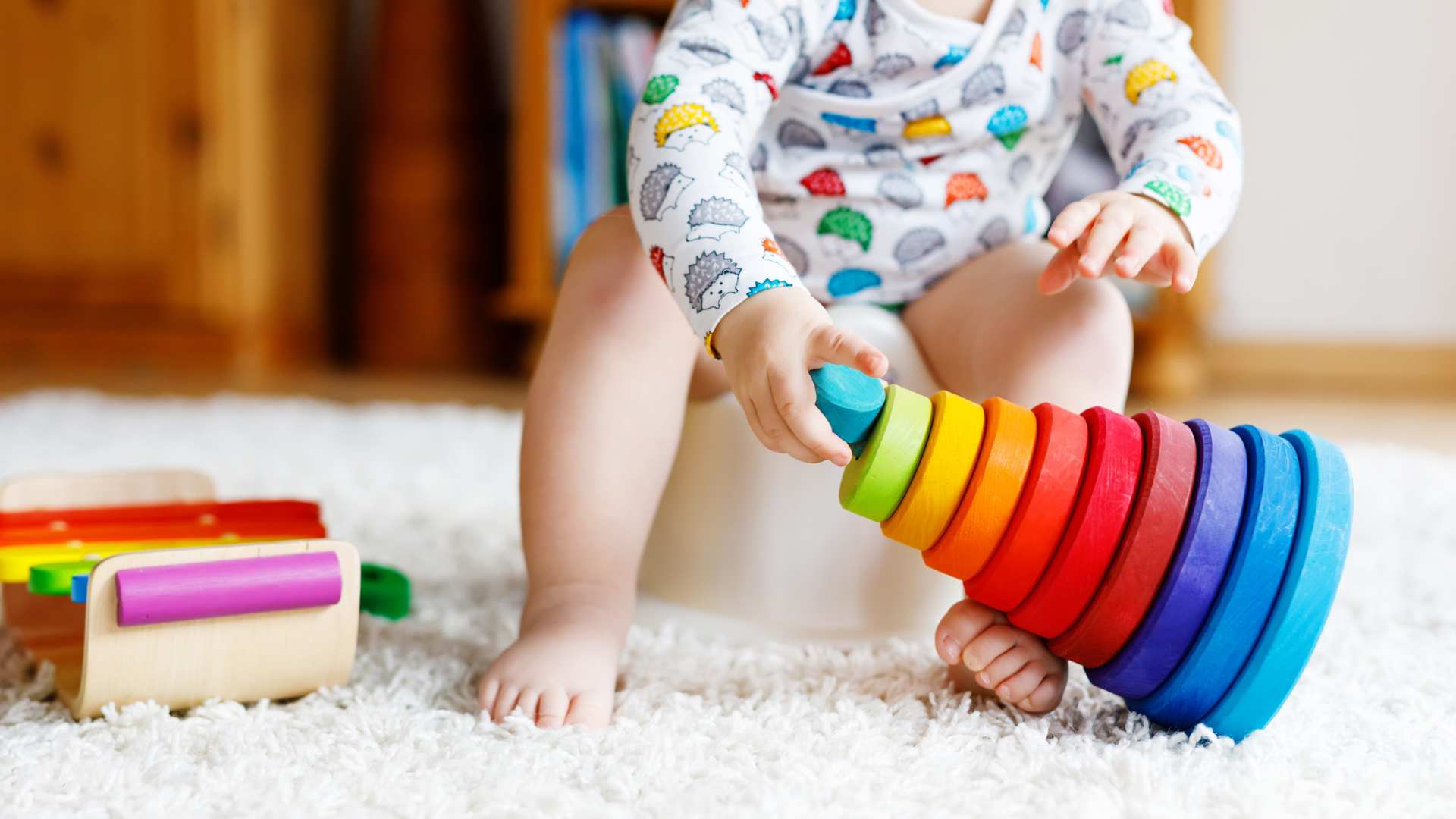
Autism can sometimes be identified in the second year of life, and in some cases even earlier. While many children are diagnosed closer to age 2 or 3, some early signs of autism can appear around 12 months.
Possible signs of autism in 12-month-old children include:
- Not responding to their name
- Limited or absent eye contact
- Not pointing to show interest
- Not using gestures like waving or clapping
- Lack of back-and-forth interaction
- Limited babbling or vocal sounds
- Not sharing smiles with caregivers
- Repetitive movements (such as rocking or hand flapping)
- Strong reactions to certain sounds or textures
- Loss of previously acquired skills
One important distinction: these traits alone do not necessarily mean autism. Autism involves differences in social communication and interaction.
When Should Parents Be Concerned?
Parents should consider speaking with a healthcare provider if their 12-month-old:
- Does not babble
- Does not use gestures
- Does not respond to their name consistently
- Shows little interest in interaction
- Loses words or social skills
If you are noticing several of these primeros signos de autismo, it does not automatically mean your child has ASD, but it does mean screening is appropriate.
Trust your instincts. Early evaluation is never harmful. Waiting without answers can be more stressful than seeking guidance.
Why Are Developmental Screenings Important?
Developmental screenings are short assessments used by pediatricians to identify possible delays.
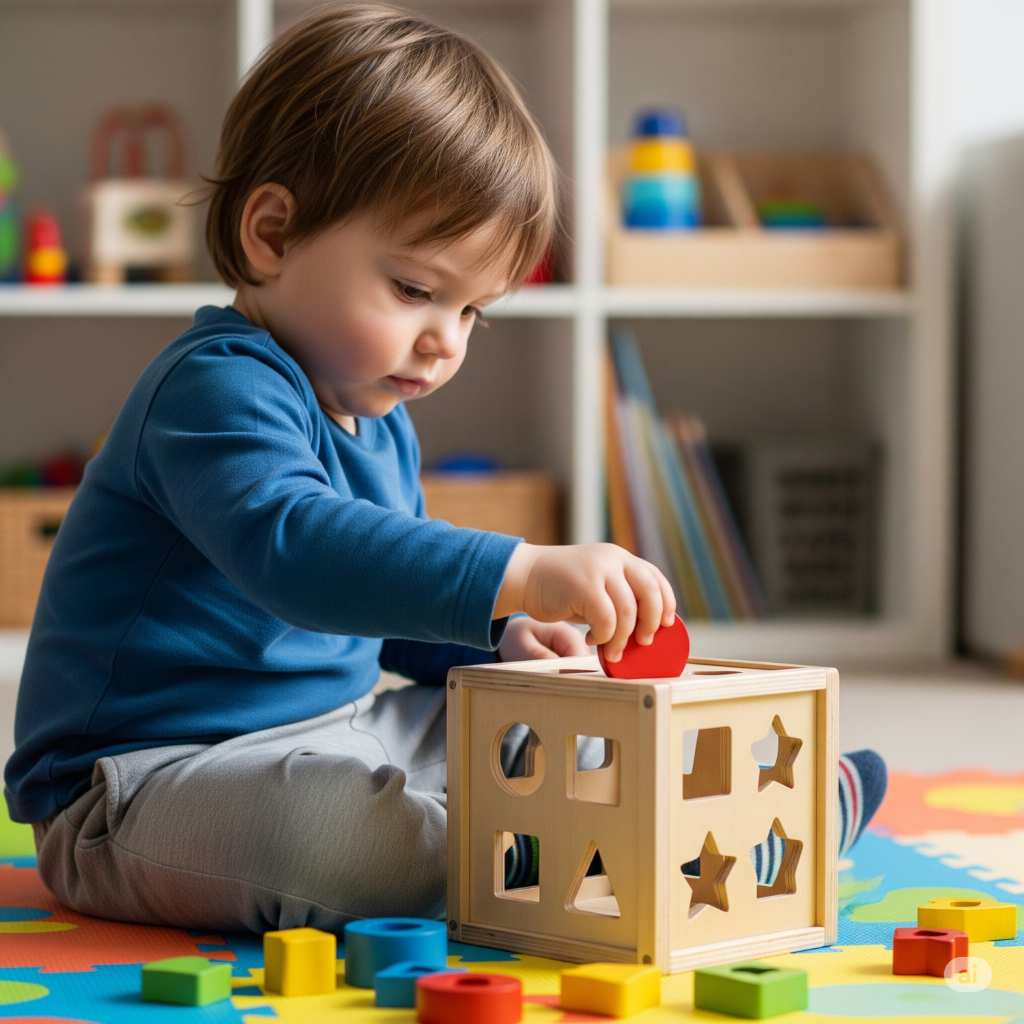
Early identification allows children to receive support during critical periods of brain development.
How Early Can a Child Be Diagnosed with Autism?
Según la National Institute of Child Health and Human Development, autism can sometimes be reliably diagnosed as early as 12 months. In certain cases, developmental specialists may identify autism even earlier when signs are clear and persistent.
While some providers prefer to monitor development over time, early intervention does not require waiting for a formal diagnosis.
If developmental delays are present, services can begin based on observed needs.
What Can Early Intervention Achieve?
Investigaciones consistently shows that early intervention can:
- Improve communication skills
- Increase social engagement
- Reduce frustration-related behaviors
- Strengthen adaptive skills
- Support long-term independence
The earlier support begins, the more opportunity there is to shape positive developmental outcomes.
How Parents Can Support Development at 12 Months

While pursuing screening or evaluation, parents can:
- Increase face-to-face interaction during play
- Model simple gestures like pointing and waving
- Narrate daily routines using simple words
- Encourage imitation games (clapping, tapping, smiling)
- Respond positively to all communication attempts
- Limit passive screen exposure
- Create predictable routines
Small, consistent interactions throughout the day support communication growth.
How ABA Therapy Supports Early Development
If autism is diagnosed, Applied Behavior Analysis (ABA therapy) is one of the most widely recommended evidence-based interventions.
Early ABA therapy focuses on:
- Building communication skills
- Increasing social engagement
- Teaching play skills
- Encouraging joint attention
- Strengthening daily living abilities
- Supporting positive behavior patterns
When started during toddlerhood, ABA therapy can help children build foundational skills during a critical developmental window.






 English