

How to Prepare for an Autism Evaluation for a 3-Year-Old?
By age three, children are expected to communicate clearly, engage socially, and participate in imaginative play. If these skills are delayed or noticeably different, parents often begin searching for information about the signs of autism in 3-year-olds and how autism assessments work.
At this stage, differences are often easier to recognize than they were in infancy. Preschool brings new expectations, including following instructions, interacting with peers, expressing emotions verbally, and adapting to routines. When a child struggles consistently across these areas, it may point to autism symptoms in preschoolers rather than a simple delay.
En este blog de ABA Centers of Florida, we’ll explore how signs of autism in 3-year-olds typically present, how they differ from personality traits or isolated speech delays, and what families can consider if concerns arise.
If you’re noticing these signs or have questions about your child’s development, reaching out to a specialist can provide clarity and support. Early evaluation can make a meaningful difference. Schedule a free consultation here.
Why Age Three Often Brings Clarity
Many developmental variations at 12 or 18 months fall within a wide range of normal. By three, that range narrows.
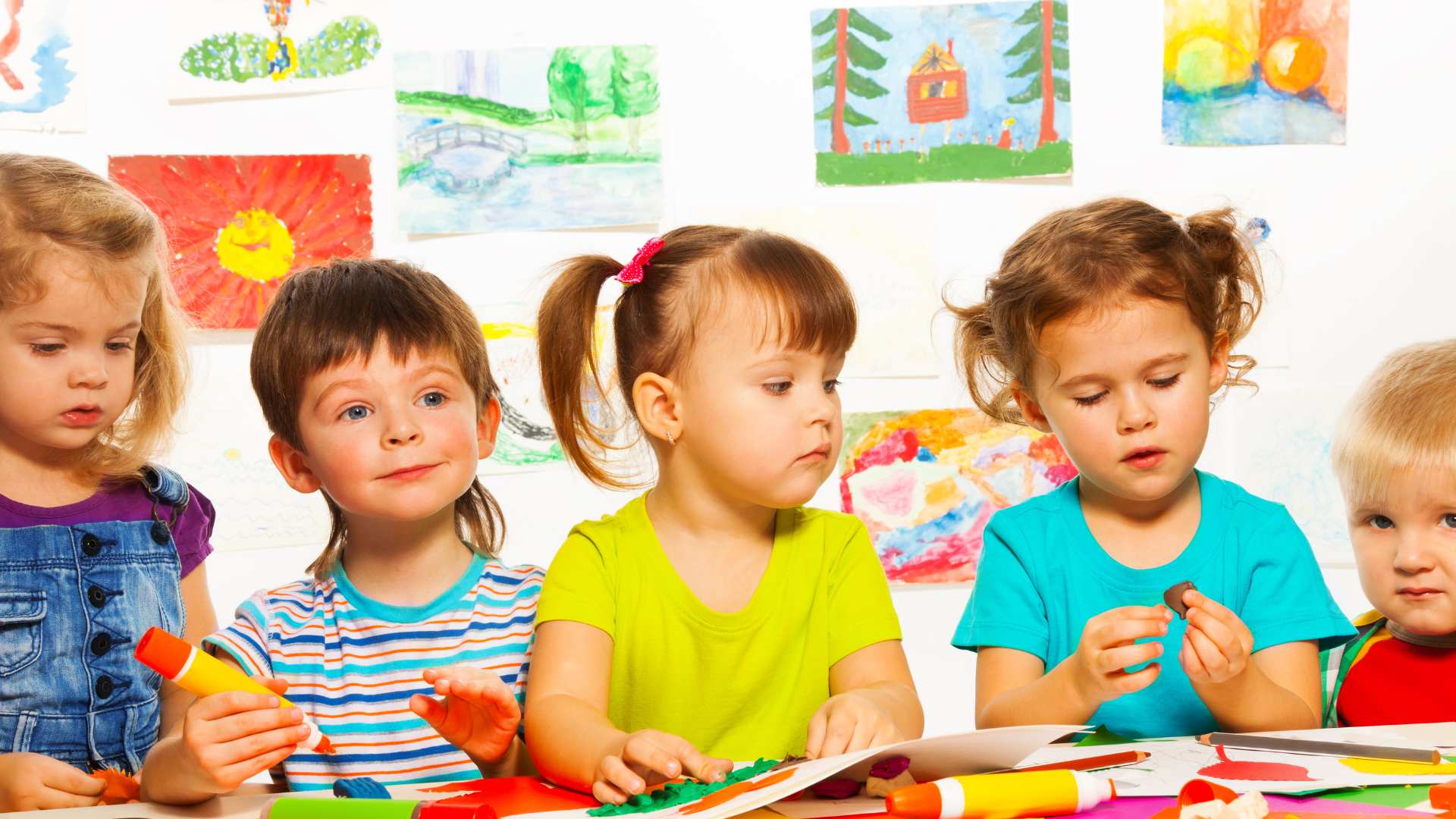
At this age, most children:
- Speak in short, understandable sentences
- Ask and answer simple questions
- Engage in pretend play
- Show interest in other children
- Follow multi-step directions
When multiple 3-year-old developmental skills are missing or significantly delayed, it becomes important to look at patterns, not isolated behaviors.
Social Signs of Autism in 3-Year-Olds
One of the most common signs of autism in 3-year-olds involves differences in social interaction.
Parents may notice:
- Limited interest in playing with peers
- Difficulty taking turns
- Rarely sharing experiences (“Look what I made!”)
- Minimal back-and-forth conversation
- Limited facial expressions during interaction
Autism symptoms in preschoolers often include difficulty understanding social reciprocity, the natural exchange of communication and emotion that builds relationships.
At three, these differences are often more noticeable in group settings such as daycare or preschool.
Communication Differences at Preschool Age
Speech concerns are often what bring families to seek evaluation.
However, signs of autism in 3-year-olds are not limited to delayed speech. Sometimes a child speaks frequently but uses language differently.
Possible communication-related autism symptoms in preschoolers include:
- Repeating phrases from television or conversations
- Difficulty answering “why” or “how” questions
- Talking at length about one preferred topic
- Struggling to maintain a conversation
- Literal interpretation of language
The distinction is not just how much a child speaks, but how they use language socially.
Behavioral and Sensory Patterns
Behavioral rigidity can also signal signs of autism in 3-year-olds.
The Role of Early Behavioral Intervention
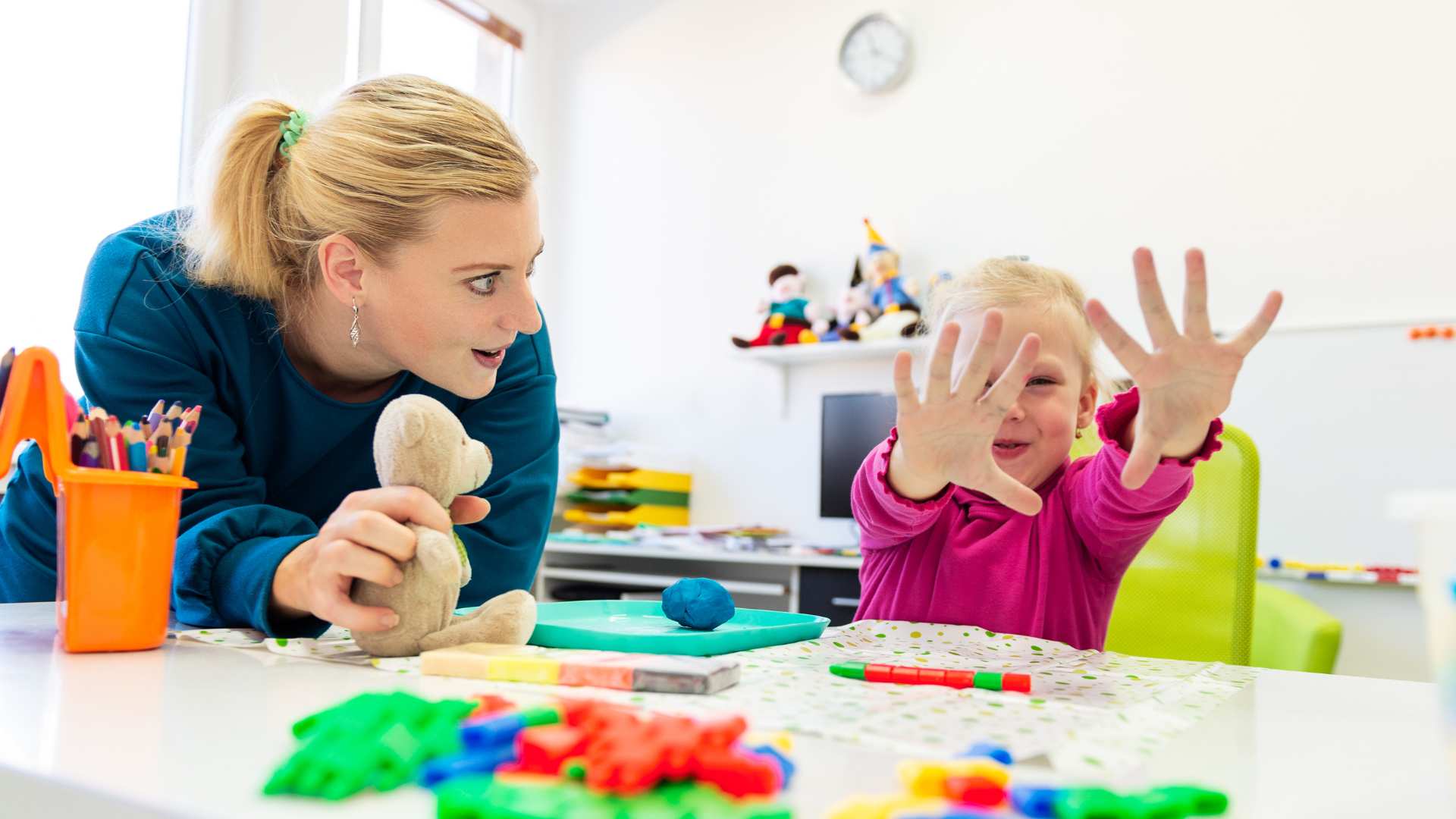
When signs of autism in 3-year-olds are confirmed through evaluation, early behavioral intervention is commonly recommended. Starting intervention during the toddler and preschool years takes advantage of a period when children’s brains are rapidly developing and highly adaptable, leading to stronger long-term outcomes. Experts emphasize that this early window provides the best opportunity for meaningful progress.
Applied Behavior Analysis (ABA therapy) is one of the most researched approaches for supporting autism symptoms in preschoolers. At this age, ABA therapy focuses on:
- Expanding functional communication
- Strengthening social interaction skills
- Teaching emotional regulation
- Aumentar la independencia en las rutinas diarias
- Supporting readiness for structured learning environments
ABA therapy for preschoolers is individualized and goal-driven. The focus is skill development, helping children participate more comfortably at home, in school, and in the community.
Expert Autism Care with ABA Centers of Florida
If you are noticing signs of autism in 3-year-olds and feel unsure about what to do next, starting with evaluation is a responsible first step.
En ABA Centers of Florida, we provide comprehensive autism diagnostic services and individualized ABA therapy programs under one roof. Our team works closely with families to create structured plans based on each child’s strengths and needs.
If you would like professional guidance regarding autism symptoms in preschoolers, and check your insurance benefits, contact our team at (772) 773-1975 o programa una consulta gratuita to learn about available evaluation and intervention options.
Clarity allows families to move forward with confidence!




 English