

Home-Based ABA Therapy
Your child’s home is a safe place where they find comfort and support from the people who love them the most. That’s why ABA in-home therapy is essential. Our therapists can interact with your child in their own environment.
We will be able to get a first-hand account of your child’s behavior in the home and identify areas that need improvement.


Home-Based ABA Therapy May Include:
In-home ABA therapy helps parents and caregivers take a more active role in their child’s autism treatment. Parents can watch and learn during the sessions, which can help you better understand how to support your child’s skill development.
Depending on your toddler’s needs, our in-home therapists will work on toilet training, getting dressed, sharing a meal with the family, and sharing toys with siblings. Our therapists can also focus on unwanted behaviors occurring in the home. They can help parents and caregivers implement the treatment outside of therapy sessions. The goal is to help not only the child, but also the family.
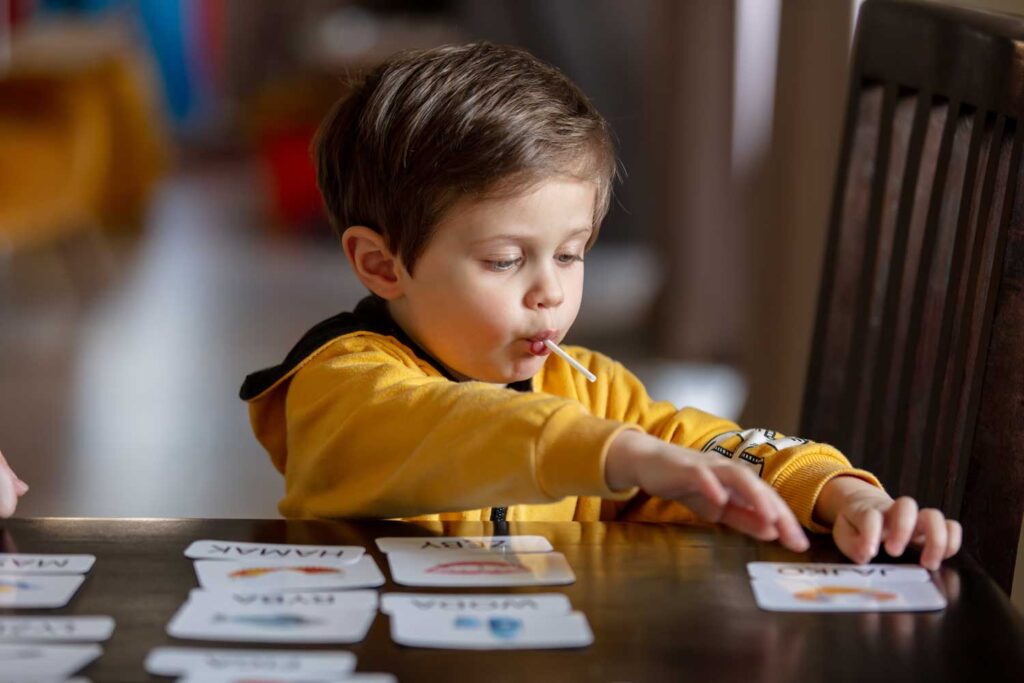
Family and In-Home ABA Therapy
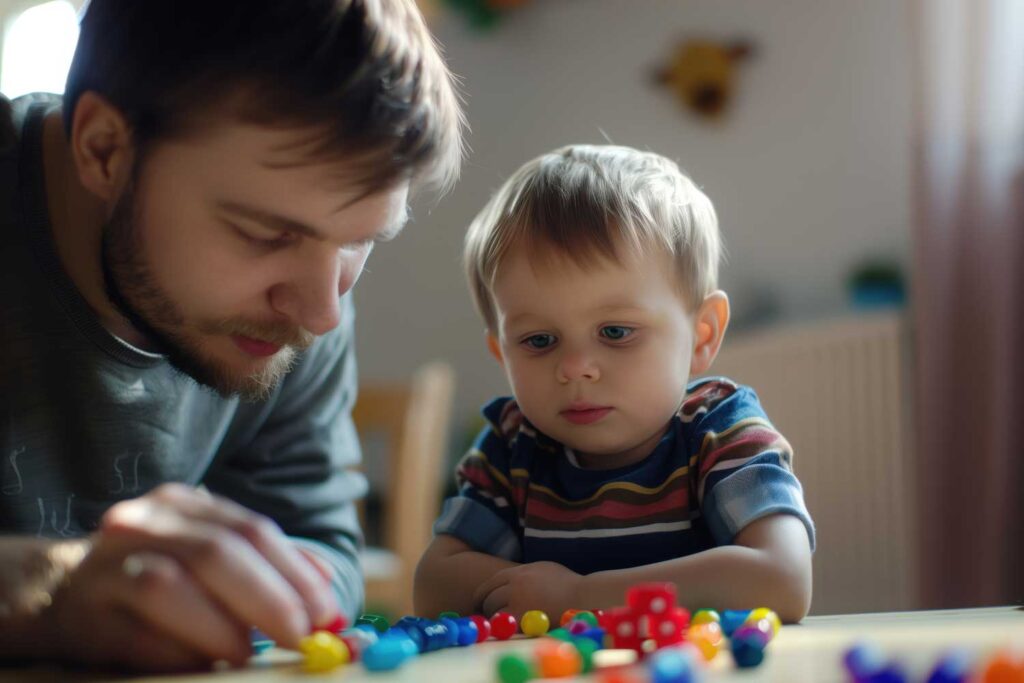
What to Expect from In-Home ABA Therapy
In-home ABA therapy takes place in your child’s natural environment. It’s a great choice for practicing independent living skills like personal hygiene, and it helps strengthen social skills with family members and friends.
In-home ABA therapy allows therapists to work with siblings of children with autism and help strengthen their bond. It allows therapists to observe the autistic child’s relationships with others and identify what areas need improvement. Depending on the child’s needs, family members may practice sharing and other daily interactions like sitting down for family dinner.
In-home ABA therapy also allows other family members like grandparents, aunts, and uncles to get involved with the child’s growth and development. The biggest benefit of in-home ABA therapy is the opportunity to create a larger, loving, supportive network for your child.

In-Home ABA Therapy vs Center-Based ABA Treatment
You may be wondering whether home-based ABA therapy is better than center-based ABA therapy. ABA Centers of Florida provides home-based ABA therapy because there are so many benefits to working with your child in their own environment.
Autism affects all areas of your child’s life, and life at home can be messy and busy. Our goal at ABA Centers of Florida is to help make your child’s life and your family’s life more manageable.
We understand how difficult this can be, and we want to be there for your family every step of the way. We promise your child will receive the best, most effective ABA therapy from our ABA Centers of Florida experienced team.
In-home ABA Therapy FAQs
Who benefits most from in-home ABA therapy?
Children who learn best in familiar environments or need support with daily routines may benefit from in-home ABA therapy. It can be ideal for families who want therapy integrated into daily life, such as mealtimes, communication at home, play skills, and behavior support.
Does in-home ABA therapy follow a daily schedule?
Therapy schedules vary based on the child’s needs and family availability. Teams work with families to create a consistent plan that fits into their routine.
Can parents be involved during in-home therapy sessions?
Yes, parent involvement is an important part of home-based ABA therapy. Therapists often coach caregivers on strategies that reinforce learning between sessions. Many parents ask, “Do I need to stay during my child’s ABA therapy?” or “Will therapists teach me how to help my child at home?” Parent training helps families continue practicing skills during everyday routines, which strengthens long-term progress.
How does ABA therapy work when it’s done at home?
In-home ABA therapy brings structured behavioral support directly into the child’s daily environment. Therapists work with the child during everyday routines, such as playtime, meals, and transitions, to teach communication, social interaction, and behavior regulation. Many parents ask, “What does an ABA therapist do during home sessions?” or “Will therapy still be structured if it happens in my house?” Even at home, sessions follow a clinical plan designed by a Board Certified Behavior Analyst.
Is in-home ABA therapy as effective as center-based therapy?
Home-based ABA therapy can be highly effective because children practice new skills in the places where they naturally live and interact. Learning in familiar surroundings allows therapists to address real-life situations, such as following routines, communicating with family members, and managing transitions. Some children benefit most from home sessions, while others may combine home-based services with center-based therapy depending on their needs.
How many hours of therapy usually happen in a home program?
The number of weekly therapy hours depends on the child’s developmental needs and treatment goals. Some children participate in shorter sessions spread across several days, while others benefit from more intensive in-home therapy schedules. A Board Certified Behavior Analyst evaluates the child and creates a personalized treatment plan that determines how often therapists visit the home.
Does insurance in Florida cover in-home ABA therapy?
Many health insurance plans in Florida cover ABA therapy services delivered in the home when treatment is medically necessary for Autism Spectrum Disorder. Florida autism coverage requirements, and many employer-sponsored health plans include behavioral therapy benefits. Families often ask, “Will insurance pay for ABA therapy at home?” Coverage details vary, so providers typically verify benefits before starting services.
What happens during a typical in-home ABA therapy visit?
A typical home session includes structured learning activities built around the child’s treatment goals. Therapists may practice communication, play skills, emotional regulation, or daily routines using positive reinforcement and guided instruction. Because therapy takes place in the child’s living environment, therapists can also help families address challenges such as transitions, sibling interactions, and adherence to household routines.
How quickly can a family start in-home ABA therapy in Florida?
Many Florida families look for home-based therapy because they want support in their child’s natural environment as soon as possible. The process usually includes reviewing diagnostic records, verifying insurance coverage, and completing a clinical assessment before services begin. Once these steps are completed, providers work to schedule therapy sessions that fit the family’s daily routines.
Is in-home ABA therapy better for younger children?
Many younger children benefit from learning skills in familiar environments where routines already exist. Practicing communication, play, and behavior skills at home allows therapists to address situations children encounter every day. While younger children often start with home-based services, older children may also receive in-home therapy depending on their goals and treatment recommendations.
Do therapists travel to homes throughout Florida?
Yes, many ABA providers, including ABA Centers of Florida, offer in-home therapy services across Florida, so families can receive support without traveling to a center. Local access is important because therapy often occurs several times each week. Florida families frequently choose home-based services to reduce commute time and allow therapy to integrate naturally into daily life.
How is in-home ABA therapy different from center-based programs?
The main difference is where the therapy takes place and how learning opportunities are structured. In-home therapy focuses on real-life routines and family interactions, while center-based programs often offer highly structured environments, peer interaction, and specialized equipment. Some treatment plans include both settings so children can practice skills in multiple environments.


 Español