



Table of Contents
How Long Does It Take to See Results from ABA Therapy?
Starting ABA therapy is exciting, but it also comes with many questions. Parents often wonder how quickly they’ll see changes, what progress in ABA therapy looks like, and whether they’ll know if therapy is working. While every child develops at their own pace, understanding how progress in ABA therapy is measured can help families set realistic expectations and recognize meaningful milestones from the very beginning.
Some parents imagine dramatic changes within a few weeks. Others worry that if they don’t see immediate improvement, therapy isn’t helping. Progress in ABA therapy is usually built through small, meaningful achievements that gradually become lasting skills.
A toddler who learns to ask for a favorite toy instead of crying, tolerate a transition without becoming overwhelmed, or make eye contact during play is making meaningful progress, even if those changes seem small at first.
In this blog, ABA Centers of Florida explains what to expect in ABA therapy, how ABA therapy goals are developed, how BCBAs and therapists measure progress, and the role parents play in helping toddlers build meaningful skills over time.
What Does Progress in ABA Therapy Really Look Like?
Every child enters ABA therapy with different strengths, challenges, and developmental needs. Because of that, progress in ABA therapy looks different for every toddler.
Rather than focusing on one major milestone, therapists look for gradual improvements that make everyday life easier for the child and their family.
For one toddler, progress may mean learning to communicate their needs without frustration. For another, it may involve playing alongside another child, following simple directions, or becoming more comfortable with changes in routine.
These improvements may happen slowly, but each new skill creates a foundation for the next one.
Instead of asking, “Has my child completely mastered this?” ABA professionals often ask:
- Is the child communicating more often than before?
- Are daily routines becoming easier?
- Is the child showing more independence?
- Can they use the same skill in different environments?
This approach helps families recognize growth that may otherwise go unnoticed.
Research consistently shows that early, individualized intervention can support meaningful improvements in communication, adaptive behavior, and social participation for many children with autism.
What to Expect in ABA Therapy?
Knowing what to expect in ABA therapy often helps parents feel more confident before their toddler begins services.
Although every treatment plan is individualized, most sessions are designed to feel engaging, interactive, and appropriate for a young child’s developmental level.
Rather than sitting at a desk completing worksheets, toddlers often learn through play-based ABA therapy exercises, everyday routines, and activities that naturally encourage communication, problem-solving, and social interaction.
A therapy session may include:
- Playing with toys that encourage communication and turn-taking
- Practicing simple daily routines such as washing hands or cleaning up
- Working on requesting favorite items or activities
- Learning how to transition between activities more comfortably
- Reading books, singing songs, or participating in movement-based games
- Taking breaks when appropriate to help maintain engagement
Throughout these activities, ABA professionals are constantly observing how the child learns, responds, and interacts with their environment. To many parents, it may simply look like their child is playing.
In reality, each activity has a specific purpose connected to individualized ABA therapy goals.
How Are ABA Therapy Goals Created?
One of the biggest misconceptions about ABA therapy is that every child works on the same skills. ABA therapy goals are developed specifically for each child after a comprehensive assessment conducted by a Board Certified Behavior Analyst (BCBA).

Before therapy begins, the BCBA gathers information from several sources, including:
- Developmental assessments
- Direct observations of the child
- Parent and caregiver interviews
- Medical and diagnostic information
- Current strengths, interests, and areas where additional support may be helpful
This information helps create goals that are meaningful for the child’s everyday life rather than focusing on arbitrary milestones.
For toddlers, ABA therapy goals commonly target areas such as communication, social interaction, daily living skills, emotional regulation, play, and safety awareness.
For example, a goal might be to help a child request help using words or gestures instead of crying, increase their ability to tolerate transitions between activities, or learn to participate in simple back-and-forth play with a caregiver.
Because children continue to learn and develop, goals are regularly reviewed and updated as new skills emerge.
Why Small Changes Often Lead to the Biggest Progress
Parents naturally hope to see major milestones.
- First words
- Successful preschool days
- Playing with siblings
- Greater independence
While those milestones are important, they rarely happen overnight. Instead, progress in ABA therapy is often built through dozens of smaller achievements that gradually connect.
- A toddler might first learn to point toward a preferred toy
- Later, they may use a picture card to request it
- Eventually, they may begin saying the word independently
Each step builds upon the one before it. The same pattern happens with social skills, emotional regulation, daily living skills, and independence.
When parents begin recognizing these smaller accomplishments, they often realize their child has been making progress in ABA therapy all along.
How Can Parents Recognize Progress in ABA Therapy Between Sessions?
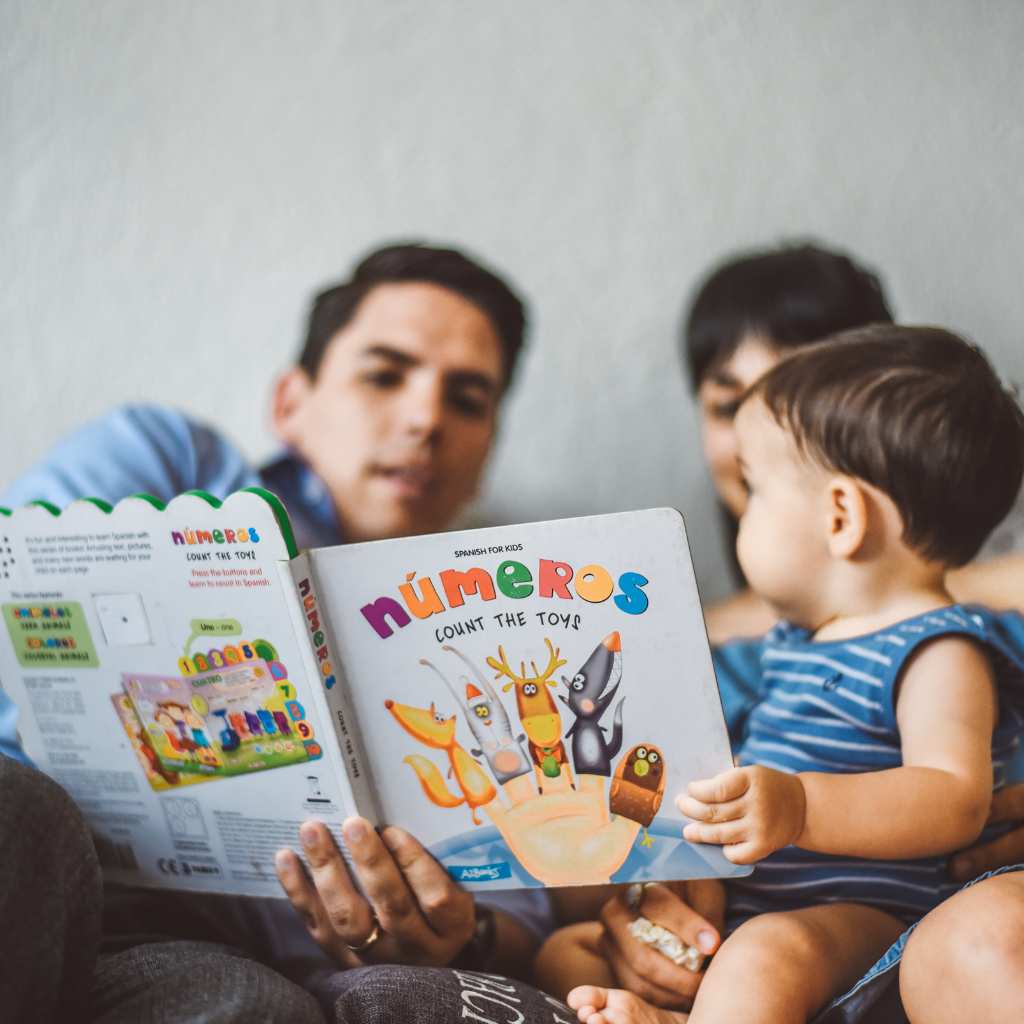
One of the most rewarding moments for families is noticing that a skill learned during therapy begins appearing naturally in their child’s environment. This process is called generalization, and it is one of the goals of high-quality ABA therapy.
For example, your toddler may first learn to ask for bubbles during therapy.
A few weeks later, they may begin requesting juice during breakfast or asking for help while playing at the park.
These everyday moments show that your child isn’t simply memorizing a skill during therapy; they’re learning how to use it in real life.
You may also begin noticing changes such as:
- Less frustration during daily routines
- Greater willingness to try new activities
- Increased interaction with family members
- Longer attention during play
- More flexible responses to small changes in routine
Some weeks, these improvements may seem obvious. Other weeks, they may be more subtle, and both experiences are completely normal, and neither tells the whole story about progress in ABA therapy.
How Do BCBAs Measure Progress in ABA Therapy?
One of the biggest differences between ABA therapy and many other interventions is that progress in ABA therapy is measured continuously rather than based on occasional observations.
During every therapy session, Registered Behavior Technicians (RBTs) collect data while working with your child. That information is then reviewed by the supervising BCBA, who evaluates whether your child is meeting their ABA therapy goals or needs adjustments.
This ongoing data collection helps answer questions such as:
- Is the child learning a new skill?
- How often are they using that skill?
- Can they perform it with less assistance?
- Are they using it at home, in therapy, and in other environments?
- Is the current teaching strategy effective?
Instead of relying on memory or general impressions, ABA professionals use objective data to guide clinical decisions. This allows the treatment plan to evolve as your toddler develops new abilities or needs additional support in certain areas.
Will My Child’s Therapist Tell Me About Their Progress?
Parents should never feel like they’re guessing whether therapy is helping. Communication between families and the ABA team is essential to quality care, and keeping parents informed is one of the BCBA’s responsibilities.
Although every provider has its own process, families can typically expect regular updates about progress in ABA therapy, including:
- Skills their toddler is currently working on
- New milestones have been achieved
- Areas that continue to need practice
- Changes were made to the ABA therapy goals
- Recommendations for supporting learning at home
Many centers also schedule parent meetings or caregiver training sessions where families can review progress, ask questions, and learn strategies they can use outside of therapy.
Don’t hesitate to ask your BCBA questions, such as:
- Which goals has my child mastered recently?
- What skill are you focusing on now?
- How can we practice this at home?
- What should I expect over the next few months?
The more parents understand the treatment plan, the easier it becomes to recognize progress in ABA therapy beyond the therapy setting.
How Can Parents Support Progress in ABA Therapy at Home?
Therapy sessions are only one part of your child’s learning. Toddlers spend far more time at home, with family, and in the community than they do in therapy. That’s why parent involvement can have such a meaningful impact on progress in ABA therapy. Just as important, consistency, both in attending therapy and practicing skills at home, is a key factor in seeing results.
The Journal of Developmental and Behavioral Pediatrics examined ABA services and found that while all children were referred for ABA, 13% never started therapy, and many who began stopped before completing a year or two. Only about one in four children received the full recommended amount of ABA.
Despite these challenges, those who remained in therapy and received consistent support showed meaningful improvements in areas like communication, self-care, and daily living skills after two years of therapy. This underscores how regular participation, both in and outside of sessions, can help maximize your child’s progress.
Some simple ways to support learning include:
- Practice communication during everyday routines
- Follow the strategies recommended by your BCBA
- Celebrate effort, not just success
- Keep your therapy team informed
- Be patient with the process
Every Step Forward Matters
When families begin ABA therapy, it’s natural to look for dramatic changes. Over time, however, many parents discover that meaningful growth is often found in the moments they once overlooked: a successful transition, a new way of communicating, or the confidence to try something unfamiliar.
That’s why a single milestone doesn’t measure progress in ABA therapy. It’s measured by the steady development of skills that help children communicate, participate in everyday routines, build relationships, and become more independent over time.
At ABA Centers of Florida, we believe families should never wonder whether their child is making progress. Through individualized treatment plans, continuous data collection, regular BCBA supervision, and ongoing collaboration with parents, we help families understand how their toddler is growing at every step.
If you’re wondering what to expect in ABA therapy or would like to learn more about our personalized ABA programs for toddlers, call (772) 773-1975 or fill out our online form to speak with our team.