


Table of Contents
My Child Has an Autism Diagnosis, Now What?
Hearing that your child is diagnosed with autism spectrum disorder (ASD) can feel like the moment everything changes. Whether you suspected it for months or the diagnosis came as a surprise, it’s normal to leave the evaluation with more questions than answers and then think about what parents wish they knew about autism diagnosis.
Many parents describe the days after an autism diagnosis as a whirlwind of emotions. You may feel relieved to finally have answers, worried about your child’s future, overwhelmed by information, or unsure where to begin. Others immediately start searching online for my child has an autism diagnosis now what, hoping someone can tell them exactly what to do next.
One of the most common reflections professionals hear from families months or years later is that they wish someone had helped them understand what truly mattered during those first weeks. Many parents say they spent so much time worrying about the future that they missed the reassurance they needed in the present.
This guide by ABA Centers of Florida explores what parents wish they knew about autism diagnosis, what’s next after an autism diagnosis, and the insights families and professionals share along the way. While every family’s journey is different, these lessons can help replace uncertainty with perspective and make those first steps feel a little less overwhelming.
Feeling Unsure After Your Child Is Diagnosed with Autism Is Okay

One of the biggest misconceptions surrounding an autism diagnosis is that parents should have an immediate emotional response.
Some people expect relief because they finally have an explanation for their child’s behaviors. Others expect sadness, fear, or even acceptance right away.
In reality, many parents experience all of those emotions, sometimes within the same day.
Research explored the experiences of 24 UK parents before their children were diagnosed with ASD to understand better what happens during the early stages of seeking help. Researchers found that parents generally fell into three groups: those who had no concerns before the diagnosis, those who sensed something was different but were unsure how to describe it, and those who actively shared their concerns with healthcare professionals.
Many parents who raised concerns reported being reassured that their child’s behavior was “normal” or that they would “grow out of it,” which often delayed referrals for further evaluation and left families feeling unheard, isolated, and frustrated.
Moreover, Parents’ Experiences after Their Child’s Autism Diagnosis explored the experiences of 11 parents whose children had been diagnosed with autism at least one year earlier, to better understand the emotional and practical impact of the diagnosis. Researchers found that parents often experienced an initial period of shock and uncertainty as they adjusted to the diagnosis and tried to regain a sense of control.
Over time, they faced ongoing challenges, including repeatedly explaining their child’s diagnosis to family members, schools, and others, balancing their child’s needs with their own well-being, and redefining their identity as parents.

What Parents Wish They Knew About Autism Diagnosis Before Leaving the Evaluation
When parents look back, many say they wish they had asked more questions before leaving the evaluation appointment.
An autism diagnosis is not simply a “yes” or “no” answer. The evaluation contains valuable information about your child’s communication, social interaction, behavior, strengths, developmental profile, and current support needs. Understanding that information can make the next steps much easier.
Before leaving the appointment, consider asking questions such as:
- What strengths stood out during my child’s evaluation?
- What developmental areas need the most support right now?
- Why are these therapies being recommended?
- Should we begin services immediately or complete additional evaluations first?
- How will this report help us access services through insurance or school programs?
- When should my child be reevaluated?
Parents also say they wish someone had reminded them that it is perfectly acceptable to call later with additional questions. Few families remember everything discussed during the evaluation, and experienced clinicians understand that.
My Child Has an Autism Diagnosis, Now What Should I Focus on First?
Many families find themselves asking, “My child was diagnosed with autism, now what?” Often, the first concern is not understanding autism itself but knowing where to focus first.
There are often many recommendations, but they don’t all need to happen at the same time.
Instead of trying to do everything immediately, many families find it helpful to focus on a few priorities:
Understand the evaluation report. Read it more than once and ask providers to explain any unfamiliar terms.
Schedule recommended referrals. Depending on your child’s needs, this may include ABA, speech, occupational, or developmental follow-up.
Contact your insurance provider. Understanding your coverage early can help avoid delays in accessing recommended services.
Keep a notebook or digital file. Save reports, referrals, evaluations, and appointment notes in one place. You’ll likely refer to them often.
Permit yourself to learn gradually. Becoming informed is important, but no parent becomes an autism expert overnight.
This is another reason what parents wish they knew about autism diagnosis, which often centers around giving themselves grace. Progress begins with taking the next step—not every step at once.
What Parents Wish They Knew About Autism Diagnosis Before Starting Therapy
Common lessons learned after a child’s autism diagnosis from parents are that they initially believed every therapy served the same purpose and that it wasn’t necessary for all of them.
In reality, each recommendation addresses different aspects of development.
For example:
- ABA therapy focuses on building communication, social interaction, daily living skills, learning readiness, and reducing behaviors that interfere with participation in everyday life.
- Speech-language therapy helps children develop verbal and nonverbal communication, language comprehension, and feeding skills when appropriate.
- Occupational therapy often addresses sensory processing, fine motor skills, self-care activities, and participation in daily routines.
Rather than asking which therapy is “best,” it is often more helpful to ask why each one has been recommended for your child.
The answer will depend on your child’s unique developmental profile, not just on the autism diagnosis.
Will My Child Make Progress?
Perhaps no question weighs more heavily on parents than this one. The honest answer is that every child develops differently.
Autism is incredibly diverse, and no clinician can accurately predict exactly how a child will communicate, learn, or function years into the future. An evaluation describes your child’s current strengths and support needs; it does not define their potential.
One of the most valuable lessons learned after a child’s autism diagnosis is learning to recognize progress in everyday moments.
For some families, progress means hearing a first word.
For others, it means a child points to request a favorite toy instead of crying.
It may look like:
- Responding to their name more consistently
- Playing with a sibling for longer periods
- Following simple routines with less support
- Tolerating changes in routine more easily
- Learning new self-care skills
- Finding new ways to communicate wants and needs
These achievements may seem small individually, but together they often create meaningful changes in family life.
What Parents Wish They Knew About Autism Diagnosis and Talking to Family
When approaching the question “what’s next after an autism diagnosis?” many parents worry almost as much about telling relatives as they do about receiving the diagnosis itself.
Some family members immediately offer support.
Others may have outdated ideas about autism or suggest waiting to see if the child “grows out of it.” Remember that not everyone has the same understanding of autism spectrum disorder.
When talking with grandparents, relatives, or close friends, it often helps to explain that autism is a neurodevelopmental condition, that every child experiences it differently, and that your child is still the same person they were before the evaluation.
You don’t need to have all the answers before sharing the diagnosis. It’s okay to say simply:
“We’re still learning, but we’re working with professionals to understand what support will help our child the most.”
Many parents later describe this as one of the most freeing conversations they had.
What’s Next After an Autism Diagnosis?
One of the biggest misconceptions is that there is a single roadmap every family should follow after an autism diagnosis.
There isn’t.
Some children begin ABA therapy soon after diagnosis. Others may first benefit from speech therapy, occupational therapy, or additional developmental evaluations. Recommendations vary because every child has different strengths, needs, and goals.
Instead of trying to do everything immediately, focus on building a team you trust. That team may include your pediatrician, developmental specialists, therapists, educators, and, most importantly, your family.
Looking back, what parents wish they knew about autism diagnosis often comes down to one simple realization: they didn’t have to answer everything during those first few weeks. As they learned more about autism, connected with experienced professionals, and watched their child continue to grow, uncertainty gradually gave way to confidence.
Helping Families Move Forward with Confidence
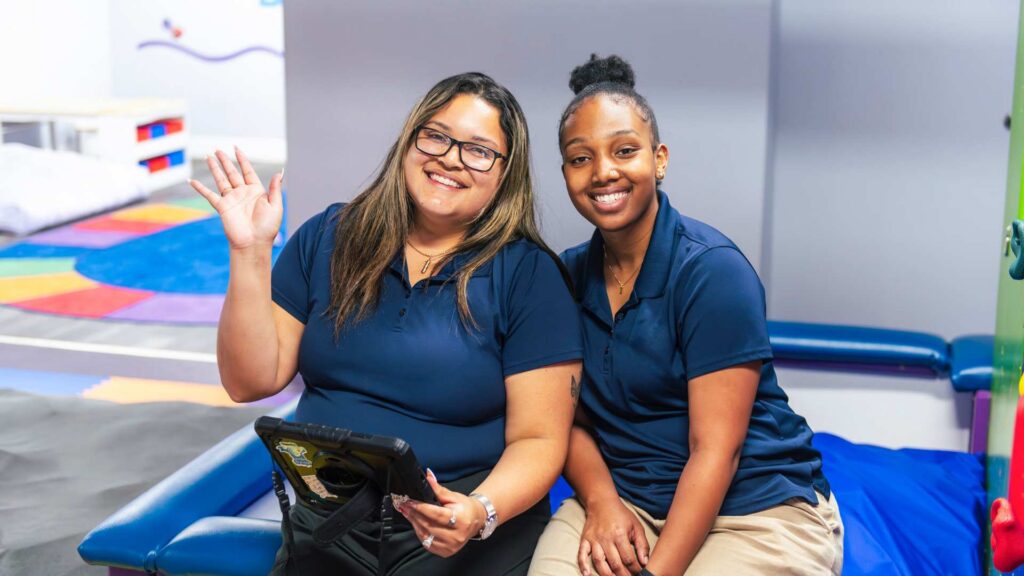
If you are wondering, “My child was diagnosed with autism, now what?” At ABA Centers of Florida, we understand that receiving an autism diagnosis is more than a medical event; it’s the beginning of a new learning journey for the entire family. Our team works closely with parents to explain evaluation results, answer questions, and create individualized ABA therapy programs that reflect each child’s unique strengths, developmental needs, and family goals.
Whether your child was recently diagnosed with autism or you’re still wondering what’s next after an autism diagnosis, you don’t have to navigate those decisions alone. From comprehensive autism evaluations to personalized ABA therapy and ongoing collaboration with parents, we’re here to help families move forward with clarity, confidence, and compassionate clinical support.
If you’d like to learn more about our autism services or speak with a member of our team, contact ABA Centers of Florida at (772) 773-1975 or visit us online to get started.