

facebook

What Is a BCBA and Why Does It Matter for My Toddler’s Care?

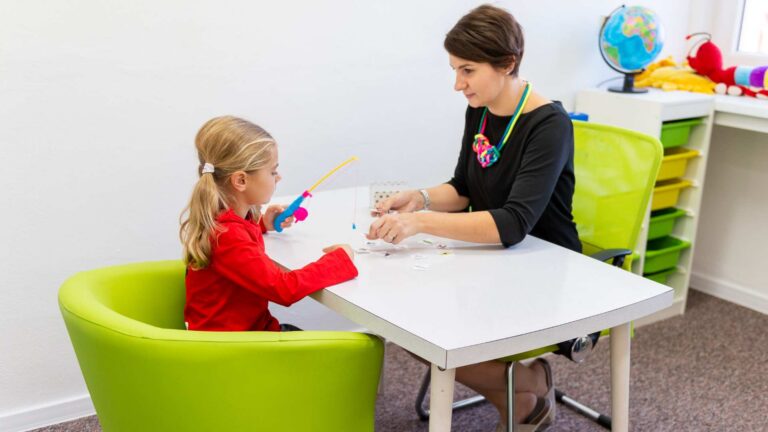
Young girl uses a toy fishing rod during a playful therapy activity with a BCBA at a table in a colorful clinic room. What is a BCBA

Table of Contents

How a BCBA Supports Toddler Development?

If your child was recently diagnosed with autism, you are likely encountering new terminology almost daily. One of the most common terms families see when exploring ABA therapy is BCBA. Parents often ask, “What is a BCBA, and how does this person actually help my child?”

Understanding the role of a Board Certified Behavior Analyst is essential when evaluating ABA services. A BCBA is not simply a therapist who works with children. A BCBA is the clinical professional responsible for assessing, designing, supervising, and adjusting behavior intervention plans within ABA therapy.

For families beginning autism services, knowing who is guiding the process can provide reassurance and clarity.

In this blog by ABA Centers of Florida, we will explain what a BCBA is, what training and credentials are required, how BCBA and ABA therapy work together, and why this role matters specifically for toddlers and young children.

What Is a BCBA?

A BCBA, or Board Certified Behavior Analyst, is a graduate-level clinician certified by the Behavior Analyst Certification Board (BACB). This certification is nationally recognized and requires extensive academic and supervised clinical training.

To become a BCBA, an individual must:

  1. Complete a master’s degree in behavior analysis, psychology, education, or a related field
  2. Complete approved coursework in applied behavior analysis
  3. Accumulate supervised fieldwork hours under a qualified BCBA
  4. Pass a comprehensive board examination
  5. Maintain certification through continuing education

This process ensures that a Board Certified Behavior Analyst has both theoretical knowledge and supervised hands-on experience before independently overseeing treatment.

Colorful text graphic asking 'What is a BCBA' on a beige background

What Does a BCBA Do in ABA Therapy?

In ABA therapy, the Board Certified Behavior Analyst acts as the architect of your child’s treatment plan. The BCBA is responsible for:

1. Conducting Initial Behavioral Assessments

The BCBA begins by evaluating your child’s current developmental level. This includes observing communication, play skills, social interaction, activities of daily living, and any behaviors that may interfere with learning. They also review medical and developmental history to understand the full picture.

2. Identifying Skill Deficits and Behavioral Concerns

Based on the assessment, the BCBA determines which foundational skills are missing or delayed, such as requesting needs, responding to instructions, or engaging in back-and-forth interaction. If challenging behaviors are present, the BCBA analyzes why they occur rather than just what they look like.

3. Developing Individualized Treatment Plans

Using assessment data, the BCBA designs a personalized intervention plan tailored to your child’s strengths and needs. This plan outlines clear objectives and specific teaching strategies.

4. Setting Measurable Goals

Each goal is written so progress can be objectively tracked. For example, increasing functional communication from one-word requests to two-word combinations, or improving tolerance to transitions.

5. Training and Supervising Registered Behavior Technicians (RBTs)

While RBTs work directly with your child during therapy sessions, they follow the BCBA’s plan. The BCBA provides supervision, ensures proper implementation, and offers ongoing training to maintain quality.

6. Monitoring Progress Through Data Collection

ABA therapy relies on data. The BCBA reviews session data regularly to determine whether goals are being met or if adjustments are needed.

7. Adjusting Interventions Based on Performance

If progress stalls or a child quickly masters a skill, the BCBA modifies the program. Therapy is not static; it evolves as your child grows.

For toddlers, this often means focusing on foundational skills such as:

  • Language development
  • Joint attention
  • Imitation
  • Functional communication
  • Play skills
  • Adaptive routines

In ABA, every decision is data-driven. Progress is continuously measured and reviewed to improve therapy outcomes.

How Is a BCBA Involved with My Child Directly?

Parents sometimes assume the BCBA remains behind the scenes. In reality, a Board Certified Behavior Analyst is actively involved.
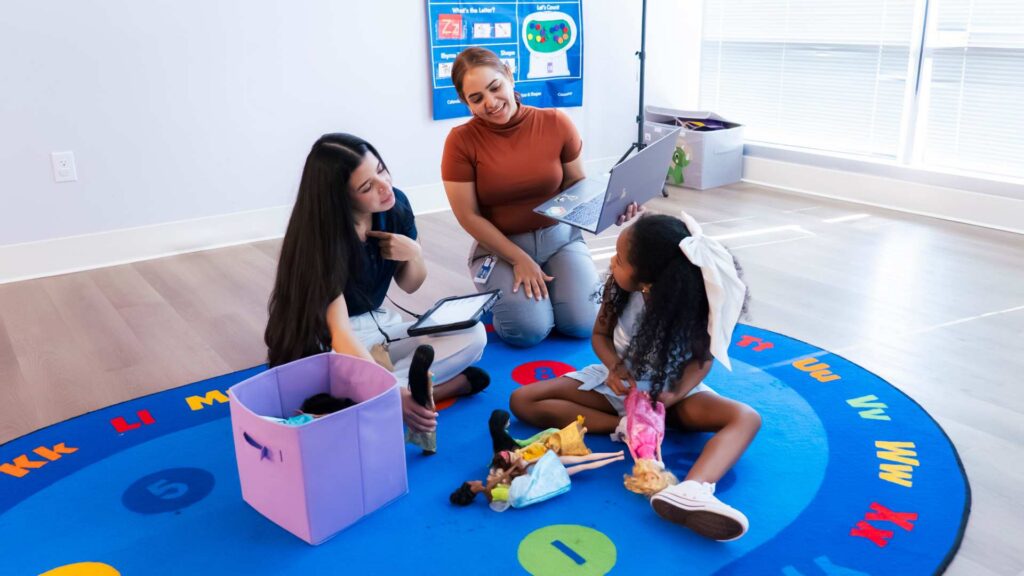
BCBA observing an ABA therapy session while a therapist interacts with a young girl playing with dolls on a colorful alphabet rug in a clinic room

The BCBA typically:

  • Conducts the initial evaluation
  • Observes therapy sessions
  • Models strategies
  • Adjusts goals
  • Interacts directly with the child to assess response to interventions

The level of direct involvement may vary depending on service intensity, but the BCBA always remains responsible for clinical oversight.

How Does a BCBA Work with Parents?

ABA therapy is not limited to sessions. A BCBA works directly with parents to ensure what’s taught in therapy makes sense at home too.

That usually means regular check-ins in which the BCBA explains progress, adjusts goals as needed, and answers questions. Parents can bring up what they’re seeing day-to-day, because sometimes behavior looks very different at home than it does in a structured session.

A BCBA may show parents simple ways to support communication, handle meltdowns, or encourage play skills during everyday routines. Not formal therapy, just practical strategies that fit into real life.

Parents are not expected to “do ABA” themselves. But when home and therapy are aligned, children tend to learn faster and use their skills more consistently.

Why Does a BCBA Matter for Toddlers?

Early childhood is a period of rapid brain development. Intervention strategies must be carefully structured, ethically delivered, and continuously evaluated.

A Board Certified Behavior Analyst ensures that:

  • Goals are realistic and developmentally appropriate
  • Interventions are evidence-based
  • Progress is objectively measured
  • Techniques are ethical and individualized

Without qualified oversight, therapy risks becoming inconsistent or ineffective. When parents ask, “What is a BCBA?” the answer is clinical accountability.

The BCBA safeguards treatment quality.

What Makes a Qualified BCBA?

Not all clinicians have the same experience working with toddlers. Parents may consider asking:

“How long have you worked with young children?”
“How often do you review data?”
“How frequently are treatment plans updated?”
“How do you involve parents in goal setting?”

A Board Certified Behavior Analyst should be transparent about training, supervision structure, and communication practices.

Professional standards require adherence to the BACB’s ethical guidelines.

Common Misconceptions About BCBAs

Some parents assume that a BCBA only addresses challenging behaviors. In reality, much of ABA therapy focuses on teaching new skills.

Others believe the BCBA is rarely present. In structured programs, regular supervision and direct observation are required.

Another misconception is that all ABA programs are identical. In fact, the BCBA’s expertise shapes how therapy is delivered.

The quality of supervision directly affects the quality of therapy.

How ABA Centers of Florida Supports Families

At ABA Centers of Florida, Board Certified Behavior Analysts oversee every individualized treatment plan. Our BCBAs conduct comprehensive assessments, collaborate with families, supervise therapy sessions, and adjust programming based on measurable data.

For families navigating new terminology and services, understanding “what is a BCBA” is part of understanding how quality care is structured.

If you are exploring ABA therapy for your toddler and want to learn more about how BCBAs and ABA therapy work within our programs, call us at (772) 773-1975 or contact us online to learn how we can support your family.

If you’re a BCBA interested in joining our team, explore our open positions and see the opportunities available at ABA Centers of Florida.

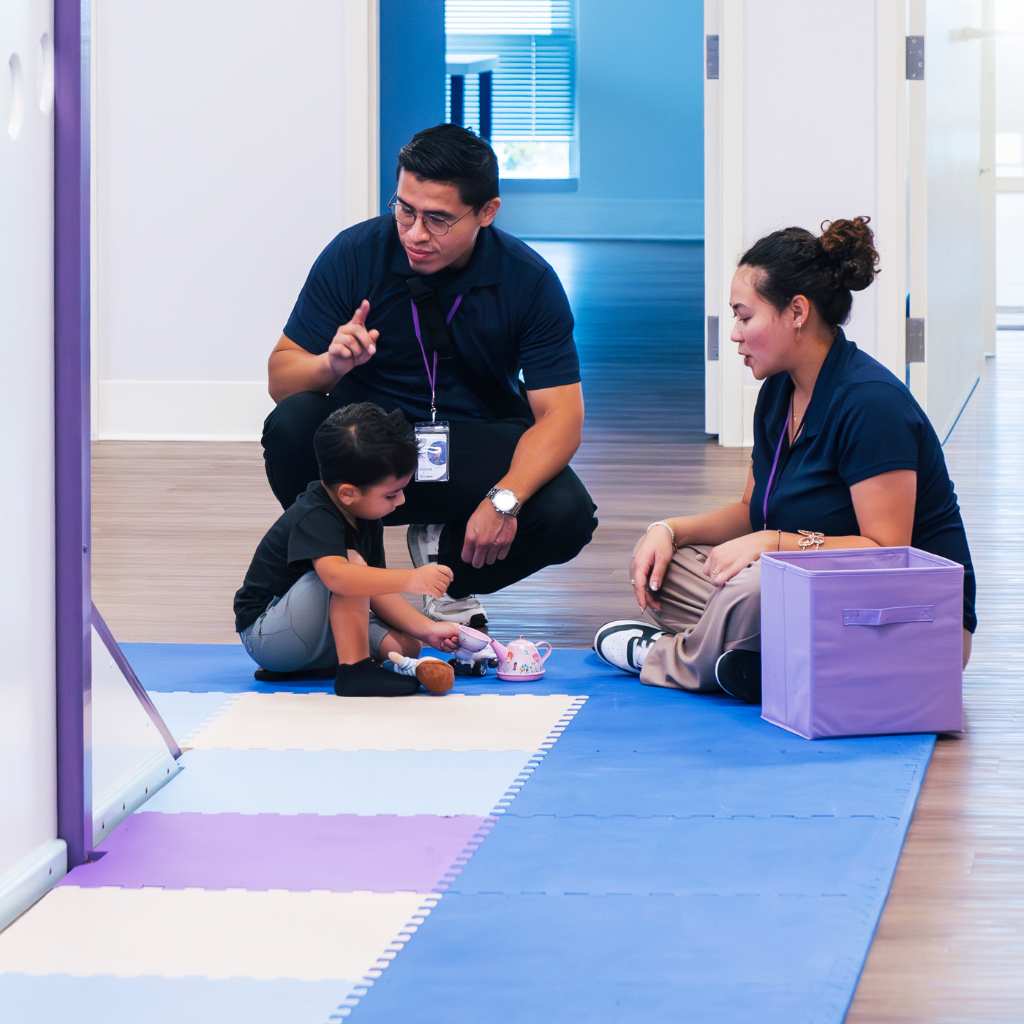
ABA professionals working with toddler

Discover how our autism treatment services can help you.

Get Social With Us

Related Posts

es_ESEspañol
Scroll to Top
metricool