

Terapia ABA en Casa
El hogar de tu hijo es un lugar seguro donde encuentra consuelo y apoyo de las personas que más lo aman. Es por eso que la terapia ABA en casa es esencial para su éxito. Nuestros terapeutas pueden interactuar con tu hijo en su propio entorno, lo que les permite obtener una comprensión más completa de su comportamiento en situaciones cotidianas.
Además, al trabajar en el hogar, podemos identificar las áreas que necesita mejorar y adaptar la terapia de manera más efectiva para satisfacer las necesidades únicas de su hijo.


La terapia ABA en Casa Puede Incluir:
La terapia ABA en casa es esencial porque permite que los terapeutas interactúen con tu hijo en un entorno familiar y seguro. Además, esta terapia ayuda a los padres y cuidadores a desempeñar un papel más activo en el tratamiento del autismo de sus hijos. Los padres pueden observar y aprender durante las sesiones, lo que puede ayudarles a comprender mejor cómo apoyar el desarrollo de habilidades de tu hijo.
Nuestros terapeutas en casa trabajan en función de las necesidades específicas de cada niño pequeño, lo que puede incluir entrenamiento para ir al baño, vestirse, compartir una comida con la familia y compartir juguetes con los hermanos. También pueden enfocarse en comportamientos no deseados que ocurren en el hogar y ayudar a los padres y cuidadores a implementar el tratamiento fuera de las sesiones de terapia. El objetivo es ayudar no solo al niño, sino también a la familia en su conjunto.
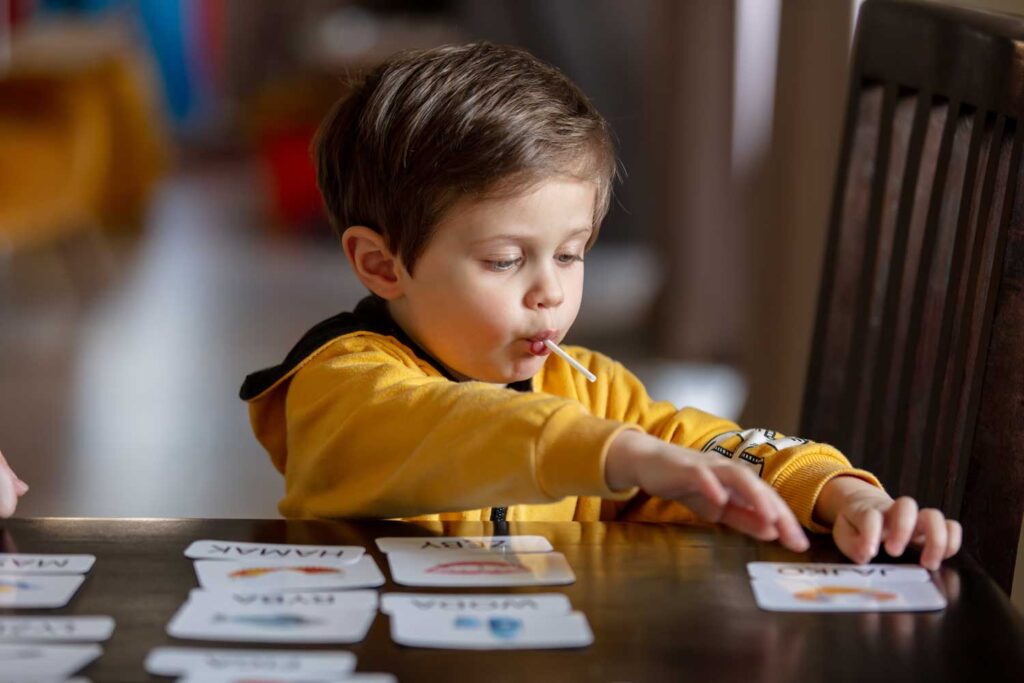
Terapia ABA Familiar y en Casa
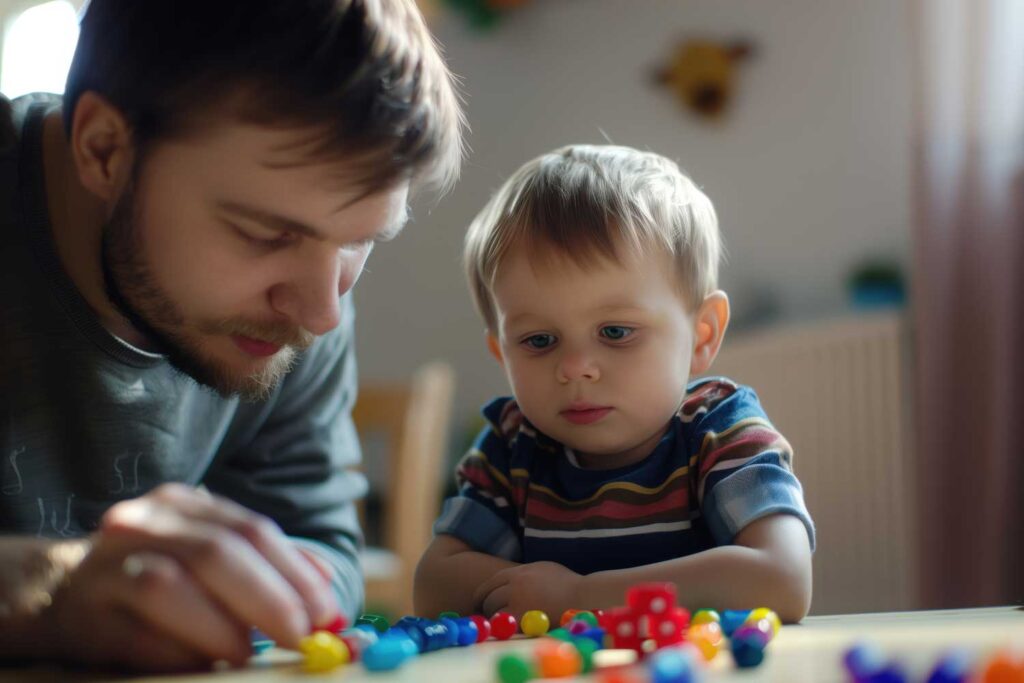
Qué Esperar de la Terapia ABA en Casa
La terapia ABA en casa se lleva a cabo en el entorno natural de tu hijo, lo que la convierte en una excelente opción para practicar las habilidades para una vida independiente, como la higiene personal, y fortalecer las habilidades sociales con familiares y amigos.
Además, la terapia ABA en casa permite a los terapeutas trabajar con los hermanos de los niños con autismo y ayudar a fortalecer su vínculo. Los terapeutas también pueden observar las relaciones del niño autista con los demás miembros de la familia e identificar las áreas que necesitan mejorar. Dependiendo de las necesidades del niño, los miembros de la familia pueden practicar las habilidades para compartir y otras interacciones diarias, como sentarse a cenar en familia.
La terapia ABA en casa también brinda la oportunidad de que otros miembros de la familia, como abuelos, tías y tíos, participen en el crecimiento y desarrollo del niño. En resumen, el mayor beneficio de la terapia ABA en casa es la creación de una red amorosa y de apoyo más grande para tu hijo.

Terapia ABA en Casa VS Tratamiento ABA en un Centro
Quizás te preguntes si la terapia ABA en casa es mejor que la terapia ABA en un centro. En ABA Centers of Florida, ofrecemos terapia ABA en el hogar porque creemos que trabajar en el entorno natural de tu hijo tiene muchos beneficios.
El autismo puede afectar todas las áreas de la vida de tu hijo y el hogar puede ser un lugar ocupado y desordenado. Nuestro objetivo es hacer que la vida de tu hijo, y el hogar puede ser un lugar de muchas actividades y desorden y estamos comprometidos a estar ahí para apoyar a tu familia en cada paso del camino.
Entendemos lo difícil que puede ser esto y queremos estar allí para su familia en cada paso del camino. Prometemos que tu hijo recibirá la mejor y más efectiva terapia ABA de nuestro experimentado equipo de ABA Centers of Florida.
In-home ABA Therapy FAQs
Who benefits most from in-home ABA therapy?
Children who learn best in familiar environments or need support with daily routines may benefit from in-home ABA therapy. It can be ideal for families who want therapy integrated into daily life, such as mealtimes, communication at home, play skills, and behavior support.
Does in-home ABA therapy follow a daily schedule?
Therapy schedules vary based on the child’s needs and family availability. Teams work with families to create a consistent plan that fits into their routine.
Can parents be involved during in-home therapy sessions?
Yes, parent involvement is an important part of home-based ABA therapy. Therapists often coach caregivers on strategies that reinforce learning between sessions. Many parents ask, “Do I need to stay during my child’s ABA therapy?” or “Will therapists teach me how to help my child at home?” Parent training helps families continue practicing skills during everyday routines, which strengthens long-term progress.
How does ABA therapy work when it’s done at home?
In-home ABA therapy brings structured behavioral support directly into the child’s daily environment. Therapists work with the child during everyday routines, such as playtime, meals, and transitions, to teach communication, social interaction, and behavior regulation. Many parents ask, “What does an ABA therapist do during home sessions?” or “Will therapy still be structured if it happens in my house?” Even at home, sessions follow a clinical plan designed by a Board Certified Behavior Analyst.
Is in-home ABA therapy as effective as center-based therapy?
Home-based ABA therapy can be highly effective because children practice new skills in the places where they naturally live and interact. Learning in familiar surroundings allows therapists to address real-life situations, such as following routines, communicating with family members, and managing transitions. Some children benefit most from home sessions, while others may combine home-based services with center-based therapy depending on their needs.
How many hours of therapy usually happen in a home program?
The number of weekly therapy hours depends on the child’s developmental needs and treatment goals. Some children participate in shorter sessions spread across several days, while others benefit from more intensive in-home therapy schedules. A Board Certified Behavior Analyst evaluates the child and creates a personalized treatment plan that determines how often therapists visit the home.
Does insurance in Florida cover in-home ABA therapy?
Many health insurance plans in Florida cover ABA therapy services delivered in the home when treatment is medically necessary for Autism Spectrum Disorder. Florida autism coverage requirements, and many employer-sponsored health plans include behavioral therapy benefits. Families often ask, “Will insurance pay for ABA therapy at home?” Coverage details vary, so providers typically verify benefits before starting services.
What happens during a typical in-home ABA therapy visit?
A typical home session includes structured learning activities built around the child’s treatment goals. Therapists may practice communication, play skills, emotional regulation, or daily routines using positive reinforcement and guided instruction. Because therapy takes place in the child’s living environment, therapists can also help families address challenges such as transitions, sibling interactions, and adherence to household routines.
How quickly can a family start in-home ABA therapy in Florida?
Many Florida families look for home-based therapy because they want support in their child’s natural environment as soon as possible. The process usually includes reviewing diagnostic records, verifying insurance coverage, and completing a clinical assessment before services begin. Once these steps are completed, providers work to schedule therapy sessions that fit the family’s daily routines.
Is in-home ABA therapy better for younger children?
Many younger children benefit from learning skills in familiar environments where routines already exist. Practicing communication, play, and behavior skills at home allows therapists to address situations children encounter every day. While younger children often start with home-based services, older children may also receive in-home therapy depending on their goals and treatment recommendations.
Do therapists travel to homes throughout Florida?
Yes, many ABA providers, including ABA Centers of Florida, offer in-home therapy services across Florida, so families can receive support without traveling to a center. Local access is important because therapy often occurs several times each week. Florida families frequently choose home-based services to reduce commute time and allow therapy to integrate naturally into daily life.
How is in-home ABA therapy different from center-based programs?
The main difference is where the therapy takes place and how learning opportunities are structured. In-home therapy focuses on real-life routines and family interactions, while center-based programs often offer highly structured environments, peer interaction, and specialized equipment. Some treatment plans include both settings so children can practice skills in multiple environments.


 English