

ABA Therapy for Children (Ages 2 - 12)
A reliable autism diagnosis can happen by age 2. Every child with autism presents signs differently. Their actions and behaviors can range from mild to severe.
We will customize your therapy to fit your child’s individual needs.
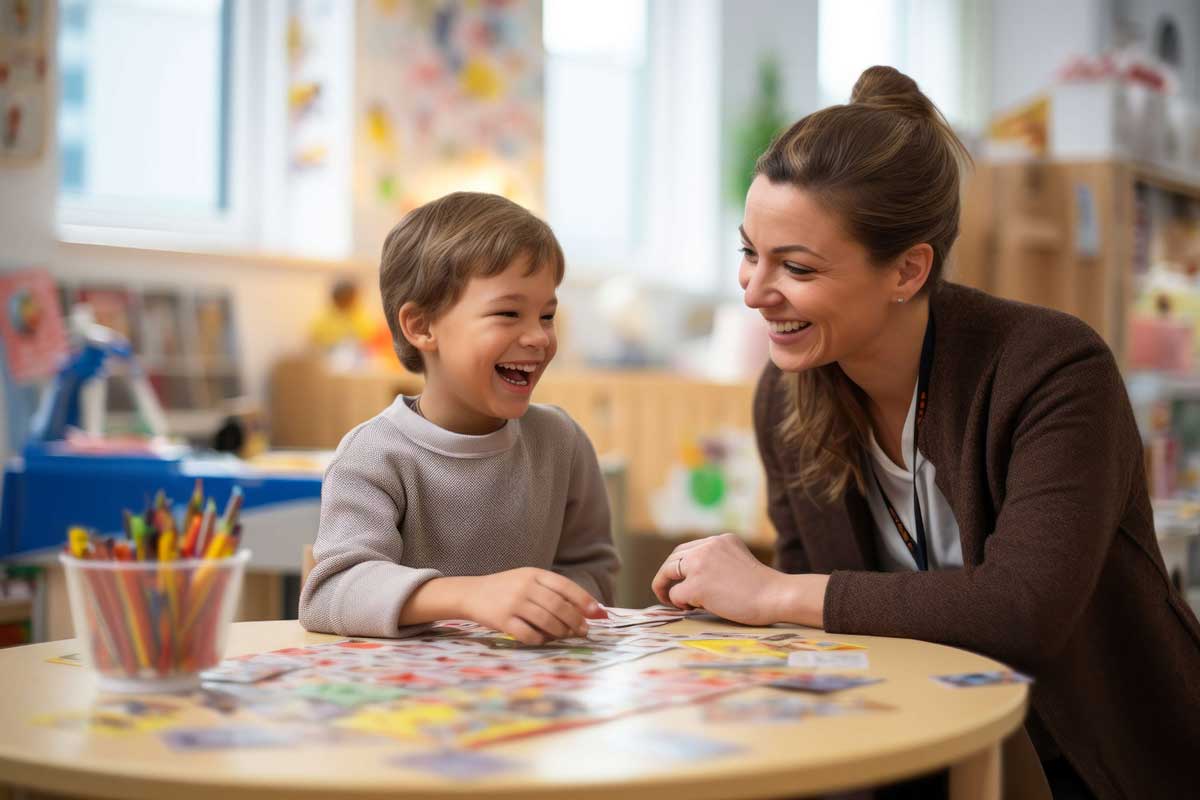
Skills Taught through ABA Therapy for Children are:
Social Play Skills
Learning play skills may include:
- Playing with toys that move, squeak, or vibrate
- Pretending to feed a toy animal or cook pretend food
- Sharing and taking turns with toys
- Exploring and communicating choices and interests
Visual / Perception Skills
Exploring and communicating choices and interests include:
- Matching or sorting games and puzzles
- Selecting two objects that are the same
- Visual memory, or the ability to remember visual information
- Form consistency, or the ability to notice that two objects are the same even if they’re different sizes or colors
- Finding hidden objects in busy backgrounds (e.g., “Where’s Waldo?”)
Coping Skills
We teach your child self-management skills, including
how to control their emotional state. Other skills may include controlling impulses, engaging in thoughtful behavior
and making good choices.
Reading / Writing
Activities to help with reading and writing include:
- Scribbling on paper or coloring
- Tracing and copying over lines
- Copying (being shown a letter/number and writing it)
- The fine motor skills and muscles used in these exercises are also used in writing. The goal is to make progress toward actual handwriting.
Gross / Fine Motor Skills
- Looking for hidden objects in putty, Playdoh, or clay
- Putting snacks in bags or plastic containers and opening and closing them
- Playing with slime
- Using squeeze bottles to water flowers or plants
- Working with Lego-type blocks
- Putting coins into banks
- Playing with marbles
- Placing beads on a string
- Cutting simple shapes or following a cut-out
Daily Living Activities
We work with your child on everyday skills like using the toilet, brushing their teeth, and dressing and grooming themselves. Therapists will use small steps to guide your child into developing routines in their daily life. Other skills may include washing their face and hands, bathing and brushing their hair.

Positive Reinforcement in ABA Child Therapy
Positive reinforcement is one of the main strategies used in ABA therapy.
When a behavior is followed by something that is valued (a reward), a child is more likely to repeat that behavior. Over time, this encourages positive behavior change.
First, the therapist identifies a goal behavior. Each time the child uses the behavior or skill successfully, they get a reward. The reward is meaningful and specific to the child.
Examples of rewards include praise, a book or toy, watching a video, and access to the park, playground, or specific location.
Positive rewards encourage the child to continue using the skill. Over time this leads to meaningful behavior change. With continued practice, the child will be able to replace their inappropriate behavior.

Child ABA Therapy FAQs
At what age should a child start ABA therapy?
Early childhood is often the most effective time to begin ABA therapy because the brain is developing rapidly during those years. Many children begin treatment soon after receiving an autism diagnosis, sometimes during the toddler or preschool stage. Parents often wonder, “Is my child too young for ABA therapy?” or “Can preschoolers benefit from behavioral therapy?” Early intervention programs for kids between 2 and 12 years old focus on communication, play skills, and foundational learning.
How many hours of ABA therapy does a child usually receive each week?
The recommended therapy schedule depends on the child’s needs and developmental goals. Many children are recommended between 10 and 40 hours of ABA therapy per week. For example, a child with mild needs may receive 10–15 hours per week focused on specific skills, while children with greater needs may participate in comprehensive programs of 25–40 hours per week. A Board Certified Behavior Analyst evaluates the child and determines the intensity of therapy, adjusting the schedule as the child develops new skills.
Can parents participate in child ABA therapy?
Yes. Parent involvement plays an important role. Families often observe sessions, learn strategies, and reinforce skills between visits. BCBAs and RBTs also involve them through regular communication, training, and strategy coaching, so skills can be reinforced outside of sessions.
How does ABA therapy help young children with autism?
ABA therapy helps children with autism build communication, social, and daily living skills by using structured learning and positive reinforcement. It breaks down behaviors into small steps, helping children practice. Many parents ask if ABA helps with talking or behavior. For many, regular ABA sessions support progress in language, independence, and emotional skills.
Does insurance in Florida cover ABA therapy for children?
Yes, many insurance plans in Florida cover ABA therapy when it is medically necessary for a child diagnosed with Autism Spectrum Disorder. Florida autism coverage laws and many employer-based health plans include behavioral treatment benefits. Families often ask, “Do private insurance plans cover autism treatment?” Coverage varies by policy, so providers usually verify benefits and guide parents through the approval process.
How quickly can my child start ABA therapy after diagnosis?
Parents often want to begin therapy as soon as possible after receiving an autism diagnosis. At ABA Centers of Florida, we streamline every step of the process—from diagnosis to starting therapy—so that families can often begin services within weeks. In many cases, the process includes obtaining insurance authorization, conducting a clinical assessment, and developing an individualized treatment plan before sessions begin. Families commonly ask, “How long is the waitlist for ABA therapy?” or “Can my child start therapy right after diagnosis?” Timelines vary depending on provider availability and insurance approvals.
What happens during a typical ABA therapy session for a child?
A typical session involves structured learning activities designed around the child’s goals. ABA professionals may work on communication, following instructions, play skills, and behavior regulation using reinforcement and guided practice. Sessions are personalized so children learn through games, interaction, and everyday routines while building skills that support independence at home, school, and in social settings.
Can ABA therapy happen at home, or does my child need to go to a center?
ABA therapy can take place in multiple environments depending on the child’s needs and family preferences. Some children receive services at home, where therapists work on daily routines and family interactions. Others benefit from center-based therapy settings that offer structured learning environments and opportunities for peer interaction. The treatment plan determines the most effective location for skill development.
Will ABA therapy help my child prepare for school?
Many ABA therapy programs include goals that support readiness for classroom environments. Therapists often work on skills such as following directions, communicating needs, sharing attention with peers, and managing transitions between activities. These abilities can help children participate more comfortably in preschool or elementary classrooms, making it easier for families to support their child’s educational progress.
How long do children typically stay in ABA therapy?
The length of therapy varies based on the child’s developmental progress and treatment goals. Some children participate for several months while building foundational communication and behavior skills, while others benefit from longer-term programs that evolve as they grow. Regular progress reviews allow clinicians to adjust goals and determine when therapy intensity should change. At ABA Centers of Florida, we try to graduate our kids in a four-year period on average.
Can families in Florida access ABA therapy near their homes?
Yes, many providers offer autism therapy services across different regions of Florida so families can access care closer to home. At ABA Centers of Florida, we cover Jensen Beach, Boca Raton, Miramar, Orlando, Celebration, Tampa, Wesley Chapel, Tamarac, and many more areas. Access to local services helps reduce travel time and allows therapy to integrate into a child’s daily routines. Florida families often seek providers that offer flexible options, including home-based or center-based ABA programs, depending on availability in their area.

 Español