




facebook

Levels of Autism: Understanding What They Mean for Your Child

Children walking together representing levels of autism, including level 1 autism, level 2 autism, and level 3 autism

Table of Contents

What is the Difference Between the Levels of Autism?

When your child receives an autism diagnosis, one of the first questions that follows is: What level of autism does my child have? and what is the difference between the levels of autism?

You may have noticed differences in communication, social interaction, or behavior long before the evaluation. Now that a clinician has identified autism spectrum disorder (ASD), the next step is understanding what the assigned level actually means for daily life.

Autism levels are not labels of intelligence, worth, or potential. They describe the amount of support a person currently needs in specific areas of functioning. And importantly, those support needs can evolve over time.

In this blog by ABA Centers of Florida, we’ll break down how the three levels are determined, what distinguishes them in real life, and how intervention can influence long-term development.

What is Autism Spectrum Disorder?

Autism Spectrum Disorder (ASD) represents a multifaceted developmental condition that influences the way people connect with others, express themselves, and perceive their surrounding environment. The word “spectrum” is crucial here. According to Autism Speaks, the spectrum encompasses a wide range of strengths, challenges, experiences, and support needs. 

The latest data from the Centers for Disease Control and Prevention (CDC) found that about 1 in 31 children receives an autism diagnosis, making it one of the most common developmental conditions. What makes autism particularly unique is that it manifests differently in every individual. One child may have strong verbal skills but find social situations overwhelming, while another may be nonverbal and require significant daily support. This diversity is why healthcare professionals use the concept of “levels of autism” to describe the degree of support someone might need.

Children can experience signs of ASD since early childhood, impacting their daily functioning. However, it’s important to remember that autism is a different way of experiencing and interacting with the world, and, with the proper support, can lead to a fulfilling and meaningful life.

Understanding the Levels of Autism

The three levels of autism provide more clarity on the varying degrees of support individuals might require. These levels are not about ranking abilities or intelligence. Instead, they help clinicians, parents, and educators identify the kind of help and resources that may improve quality of life.

Previously, clinicians categorized autism into separate conditions like Asperger’s syndrome, PDD-NOS (Pervasive Developmental Disorder-Not Otherwise Specified), and classical autism. The new system recognizes that autism exists on a continuum and focuses on the level of support an individual needs rather than attempting to create rigid diagnostic categories.

According to Psych Central, the three levels are:

  • Level 1 autism: Requiring support
  • Level 2 autism: Requiring substantial support
  • Level 3 autism: Requiring very substantial support

The DSM-5 outlines two core areas where individuals with autism may experience differences: Social communication and interaction, and restricted and repetitive behaviors. For instance, someone might have level 1 needs for social communication but level 2 needs for managing repetitive behaviors and routine changes.

It’s also important to note that these levels can change over time. With appropriate intervention, support, and as individuals develop coping strategies, their support needs may decrease. Conversely, during times of stress or significant life changes, someone might temporarily need more support than usual.

What is the Difference Between the Levels of Autism?

Below is a simplified comparison to help clarify the differences parents often ask about.

Area of FunctioningLevel 1 Autism – Requiring SupportLevel 2 Autism – Requiring Substantial SupportLevel 3 Autism – Requiring Very Substantial Support
Verbal CommunicationSpeaks in full sentences; difficulty with back-and-forth conversationUses simple phrases; struggles to sustain conversationMay be minimally verbal or nonverbal
Social InteractionDifficulty reading cues, maintaining friendshipsLimited initiation of interaction; reduced response to othersVery limited social engagement outside of caregivers
Behavioral FlexibilityStruggles with transitions; mild rigiditySignificant distress with routine changesExtreme distress with change; highly inflexible patterns
Daily Living SkillsMostly independent but needs remindersNeeds structured support for routinesRequires assistance for many daily tasks
Sensory SensitivitiesPresent but manageable with coping strategiesFrequently interferes with functioningIntensely disruptive; may trigger severe behaviors
Support NeededTargeted support in specific areasConsistent support across settingsOngoing, comprehensive support

Now, let’s look more closely at each level of autism and what the corresponding level of support may involve in daily life, communication, learning, and independence.

Level 1 Autism: Requiring Support

Level 1 autism, sometimes referred to as “high-functioning autism” (though this term is becoming less preferred), describes individuals who need some support to navigate certain aspects of daily life. People at this level often have fluent conversational abilities but may need occasional help interpreting social cues or addressing specific issues in therapy.

Social Communication Challenges

Individuals with level 1 autism might struggle with the unwritten rules of social interaction. They may have difficulty reading body language, understanding sarcasm, or knowing when it’s appropriate to join or leave a conversation.

According to Medical News Today, these individuals may require support to make friends and engage in social interactions. They might want to connect with others but find the process confusing or overwhelming. For instance, they might share their interests enthusiastically but struggle to gauge whether the other person is genuinely interested or just being polite.

Behavioral Characteristics and Executive Function

Individuals with level 1 autism may experience difficulties in executive functioning skills, such as challenges with organization, planning, time management, and task initiation. 

For someone with level 1 autism, these challenges might look like difficulty transitioning between activities, trouble managing multiple tasks, or becoming overwhelmed by changes in routine.

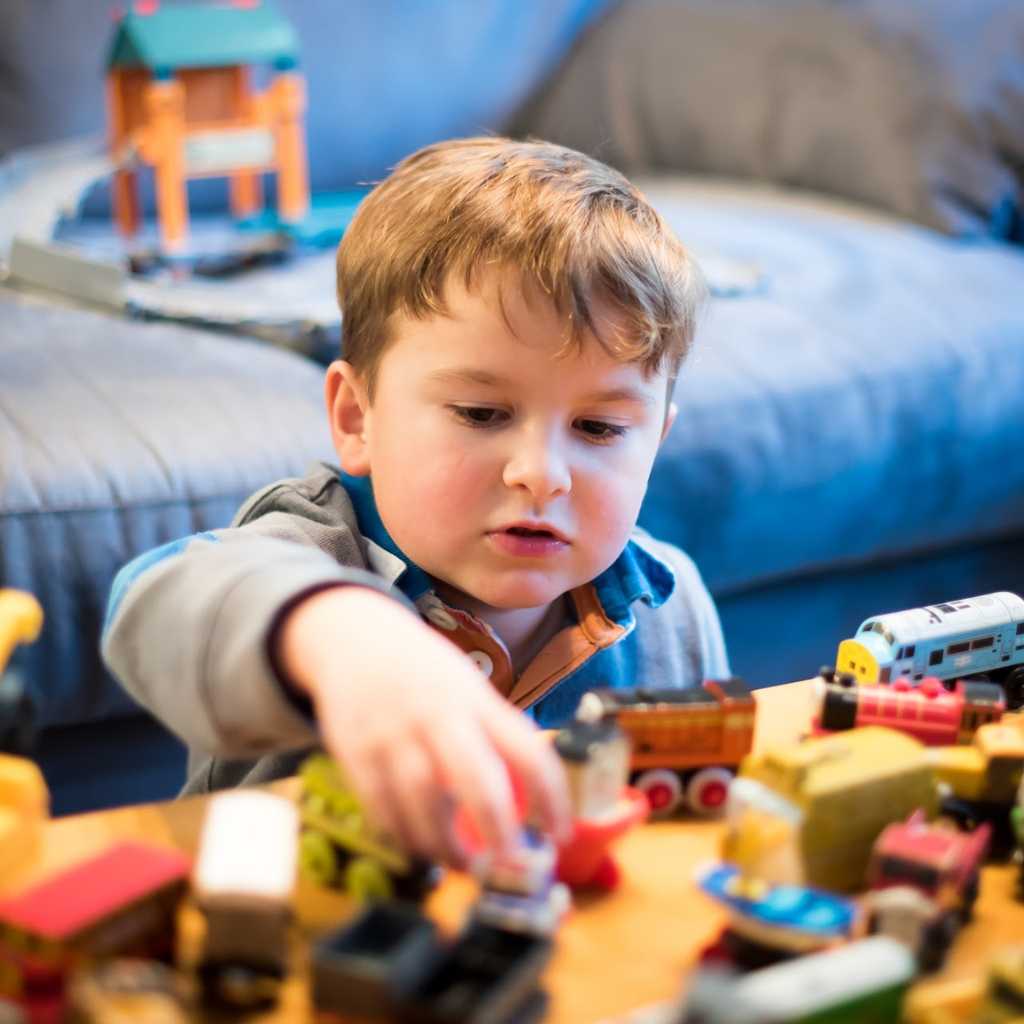
Child playing with toy trains, representing behavioral characteristics and executive function challenges in level 1 autism

Level 2 Autism: Requiring Substantial Support

Level 2 autism represents individuals who face more significant challenges in communication and daily functioning. Social challenges can make holding a conversation very difficult.

Social Communication Difficulties

Individuals with level 2 autism might speak in short, simple sentences or have difficulty maintaining conversations. Understanding subtle social cues like eye contact, gestures, or posture can be challenging for them, and others may find their physical expressions to be atypical. 

Behavioral Flexibility and Routine Challenges

People with level 2 autism may also find daily functioning distressing due to the challenges of coping with change. 

This difficulty with change isn’t simply a preference for routine; it can cause genuine distress and anxiety. Unexpected changes in schedule, new environments, or alterations to familiar routines can be overwhelming and may result in emotional outbursts or withdrawal.

Level 3 Autism: Requiring Very Substantial Support

Level 3 autism, often referred to as profound autism, represents the most complex presentations on the autism spectrum, requiring intensive, comprehensive support across multiple areas of daily life. 

Communication Challenges

 Individuals with level 3 autism may struggle to understand and use spoken language effectively. Many individuals at this level are non-verbal, making communication through speech difficult. This challenge doesn’t mean they don’t communicate; instead, they might use alternative methods such as gestures, pictures, or assistive technology devices. Communication might be primarily focused on immediate needs, and social interaction may be limited to interactions with familiar caregivers.

Daily Living Skills and Independence

Children with level 3 autism may find it challenging to perform basic activities of daily living, such as dressing, feeding, and personal hygiene, on their own.

They may exhibit noticeable delays or absences in developmental milestones such as a lack of eye contact, minimal engagement in social interactions, a strong preference for solitary play, and severely delayed or absent speech and language development.

Sensory Sensitivities and Repetitive Behaviors

Individuals with level 3 autism may find textures, sounds, tastes, and food textures overwhelming and distressing. This heightened sensitivity can complicate their interaction with the environment and their daily activities.

Children and individuals with level 3 autism may exhibit self-stimulatory and repetitive behaviors. These behaviors can include head-banging, attempts to consume non-food items, biting their arms, and pulling their hair.

It’s important to understand that these behaviors often serve a purpose; they might be ways of self-regulation, communication, or coping with overwhelming sensory input. 

Rather than simply trying to stop these behaviors, effective interventions focus on understanding their function and teaching alternative coping strategies.

ABA Therapy and Early Intervention for Autism
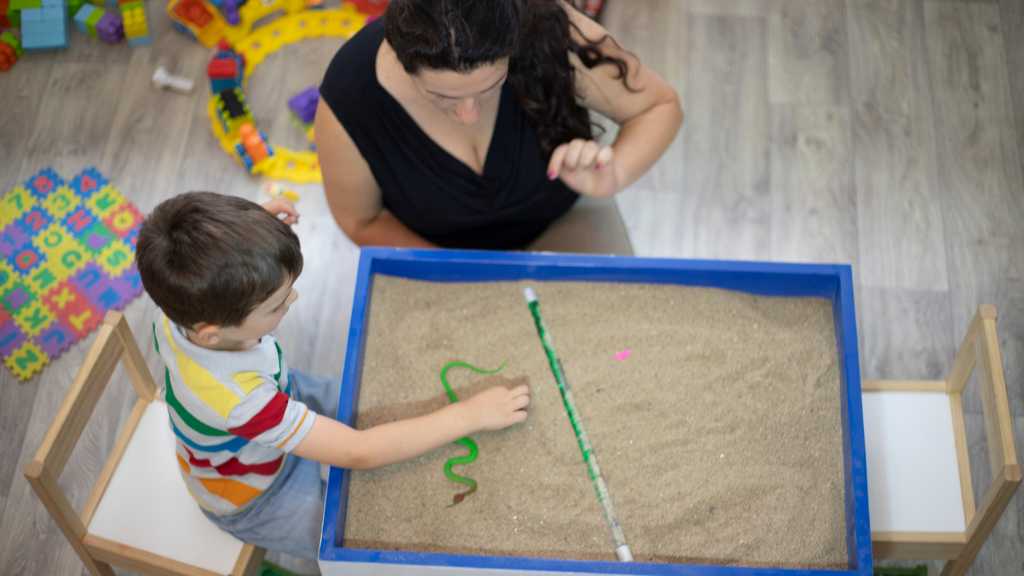
Therapist guiding child with sand tray activity, representing ABA therapy and early intervention for every level of autism

No matter the level of autism, one truth remains: early intervention makes a profound difference. The earlier a child begins therapy, the greater the opportunity for skill-building and long-term success.

ABA therapy is one of the most effective, evidence-based treatments for autism. It focuses on teaching communication, social, and daily living skills in a way that is structured yet flexible, tailored to each child’s unique strengths and challenges.

Some benefits of ABA therapy include:

  • Building communication skills, whether verbal or through alternative methods
  • Reducing challenging behaviors by teaching positive replacements
  • Helping children learn to navigate social situations
  • Increasing independence in daily routines

ABA therapy can significantly improve outcomes across all three levels of autism. Families also find relief and guidance through parent training, which empowers them to use ABA strategies at home.


Support for Every Family at ABA Centers of Florida

Understanding the levels of autism can help answer that pressing question: “What level of autism does my child have?” More importantly, it helps families identify the type of support their child needs to thrive.

Whether your child is diagnosed with level 1 autism, level 2 autism, or level 3 autism, remember that these labels are not limitations; they are guides to finding the right resources and strategies.

At ABA Centers of Florida, we believe every child with autism deserves the chance to reach their fullest potential. From diagnostic testing to early intervention and personalized ABA therapy, we are here to support your family every step of the way. If you’re seeking answers or services for your child, we invite you to reach out today by calling us at (772) 773-1975 or filling out our online form. Together, we can support individuals with autism to gain independence and enjoy a brighter future.

Discover how our autism treatment services can help you.

Get Social With Us

Related Posts

A clinician explaining the autism diagnosis to kid

Navigating the Path After an Autism Diagnosis: A Parent’s Guide

Receiving an autism diagnosis for your child is a moment that can stir a whirlwind of emotions. It’s like stepping into unknown territory, and you might wonder, “What do I do after my child is diagnosed with autism?” Well, take a deep breath. We’re here to guide you through this journey with a sprinkle of understanding, a dash of knowledge, and much support.

Read More »
es_ESEspañol
Scroll to Top
metricool